

Thick wall seamless pipe is a critical material widely used in industries that require high strength, durability, and resistance to extreme pressure and temperature conditions. Known for its robust structure and seamless construction, this type of pipe plays an essential role in oil & gas, petrochemical, power generation, and heavy engineering applications.
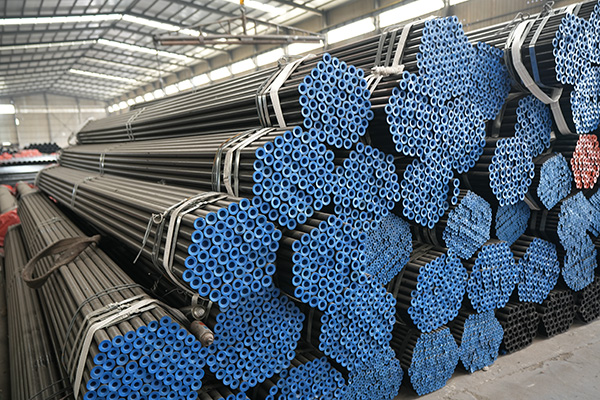
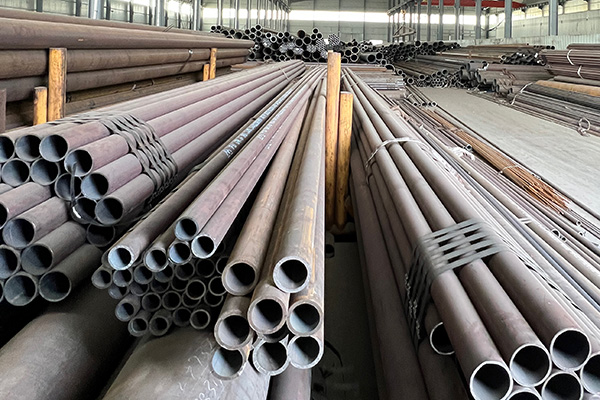
This guide explains what thick wall seamless pipes are, how they are manufactured, their key features, and where they are commonly used.
1. What Is Thick Wall Seamless Pipe?
A thick wall seamless pipe is a steel pipe with a relatively large wall thickness compared to its diameter, manufactured without any welding seams.
Unlike welded pipes, it is produced from a solid steel billet that is heated and pierced to form a hollow tube. The absence of welds significantly improves its strength and reliability under high-pressure conditions.
The term “thick wall” refers to the pipe’s ability to withstand:
High internal pressure
Mechanical stress
Harsh environmental conditions
2. Manufacturing Process of Thick Wall Seamless Pipes
The production of thick wall seamless pipes involves several key steps:
1. Billet Preparation
High-quality steel billets are selected as raw material.
2. Heating
The billet is heated to a high temperature to make it malleable.
3. Piercing
A rotary piercing process creates a hollow shell.
4. Elongation and Rolling
The pipe is elongated and rolled to achieve the required diameter and thickness.
5. Heat Treatment
Processes such as normalizing or quenching improve mechanical properties.
6. Finishing and Testing
The pipe undergoes cutting, surface treatment, and strict quality inspections.
3. Key Features of Thick Wall Seamless Pipe
Thick wall seamless pipes offer several important advantages:
High Pressure Resistance
The thick wall structure allows the pipe to handle extremely high internal pressures.
Excellent Strength
Seamless construction eliminates weak points such as weld seams.
Superior Durability
Designed for long-term use in harsh and demanding environments.
Good Mechanical Performance
Balanced tensile strength and toughness ensure reliability in critical systems.
Wide Size Range
Available in various diameters and wall thicknesses to meet different engineering needs.
4. Advantages Over Welded Pipes
Compared to welded pipes, thick wall seamless pipes offer:
·No weld seam defects
·Higher safety in high-pressure systems
·Better uniformity in structure
·Improved fatigue resistance
·Longer service life
These advantages make them the preferred choice for critical industrial applications.
5. Common Applications
Thick wall seamless pipes are widely used in:
Oil and gas drilling and transportation systems
High-pressure hydraulic systems
Petrochemical plants
Power generation facilities
Boiler and heat exchanger systems
Mechanical and structural engineering
Their ability to perform under extreme conditions makes them indispensable in heavy industries.
6. Material Grades and Standards
Common materials and standards include:
Carbon steel grades (ASTM A106, ASTM A53)
Alloy steel grades (ASTM A335, etc.)
International standards such as ASTM, DIN, and API
Different grades are selected based on pressure, temperature, and environmental requirements.
7. How to Choose the Right Thick Wall Seamless Pipe
When selecting the right pipe, consider:
Operating pressure
Temperature conditions
Medium being transported
Required mechanical strength
Industry standards compliance
Proper selection ensures safety, efficiency, and long service life.
Conclusion
Thick wall seamless pipes are essential components in modern industrial systems where strength, reliability, and safety are critical. Their seamless structure, high-pressure resistance, and durability make them ideal for demanding applications across multiple industries.
Choosing the right thick wall seamless pipe ensures stable performance, reduced maintenance costs, and long-term operational safety.
References
GB/T 7714:ASTM A106/A106M – Standard Specification for Seamless Carbon Steel Pipe for High-Temperature Service. ASTM Standards.
MLA:ASM Handbook, Volume 1: Properties and Selection: Irons, Steels, and High-Performance Alloys. ASM International.
APA:Welded Pipe and Seamless Pipe Manufacturing Processes. Journal of Materials Engineering and Performance.