

ASTM A333 seamless steel pipes are widely used in industries that operate under low-temperature or cryogenic conditions. These pipes are specially designed to maintain strength, toughness, and reliability even in extreme cold environments, making them a preferred choice in oil & gas, petrochemical, and power generation applications.
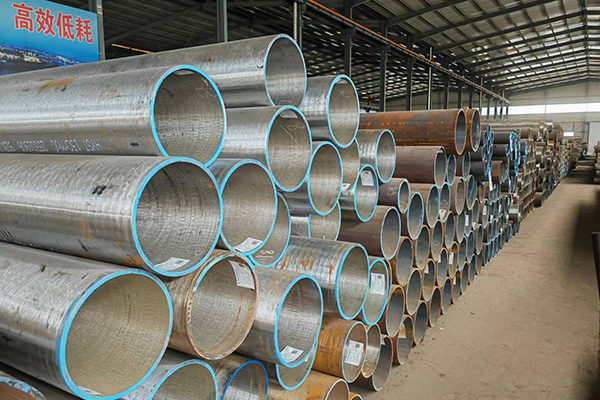
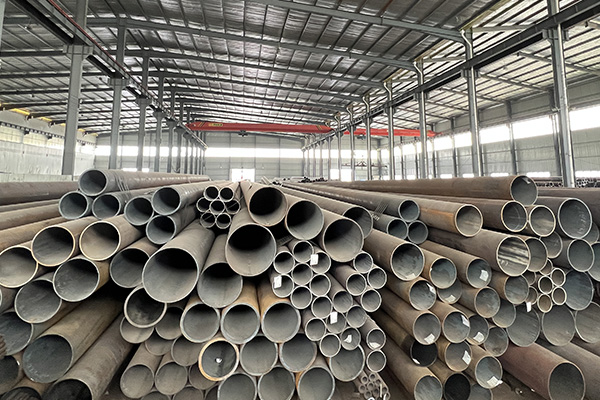
This article explains the key properties, material characteristics, and advantages of ASTM A333 seamless steel pipes to help you understand why they are essential for critical engineering systems.
1. Excellent Low-Temperature Toughness
One of the most important properties of ASTM A333 seamless steel pipes is their outstanding impact resistance at low temperatures. Standard carbon steel tends to become brittle in cold environments, but ASTM A333 materials are engineered to retain toughness even below freezing conditions.
This makes them highly suitable for applications such as liquefied natural gas (LNG) systems, cryogenic plants, and Arctic pipeline projects.
2. High Strength and Structural Stability
ASTM A333 pipes offer a balanced combination of strength and ductility. The seamless manufacturing process ensures uniform structure without weld seams, reducing weak points in the pipe body.
This results in:
·Higher pressure resistance
·Improved structural integrity
·Reduced risk of cracking under stress
These characteristics make them reliable for high-pressure and critical service environments.
3. Seamless Manufacturing for Better Reliability
Unlike welded pipes, ASTM A333 seamless steel pipes are produced by piercing solid billets and forming them into tubular shapes. This eliminates weld-related defects such as incomplete fusion or seam failures.
The seamless structure provides:
Better uniformity
Improved corrosion resistance
Higher safety in extreme operating conditions
4. Wide Range of Grades for Different Applications
ASTM A333 includes multiple grades such as Grade 1, Grade 3, Grade 6, and others. Among them, Grade 6 is the most commonly used due to its excellent balance of strength and low-temperature performance.
Different grades allow engineers to select the most suitable material based on:
·Operating temperature
·Pressure requirements
·Industry standards
5. Excellent Weldability and Fabrication Performance
Despite their high strength, ASTM A333 seamless pipes have good weldability. With proper welding procedures and heat treatment, they can be easily integrated into complex piping systems.
This makes installation more efficient and cost-effective in large industrial projects.
6. Strong Resistance in Harsh Environments
These pipes are designed to perform in extreme conditions such as:
·Sub-zero temperatures
·Offshore and marine environments
·Chemical processing plants
·High-pressure gas transmission systems
Their durability ensures long service life and reduced maintenance costs.
7. Broad Industrial Applications
ASTM A333 seamless steel pipes are widely used in:
·Oil and gas pipelines
·LNG and cryogenic systems
·Power plants
·Petrochemical industries
·Refrigeration systems
Their versatility makes them a standard material in many engineering fields.
Conclusion
ASTM A333 seamless steel pipes are essential materials for low-temperature and high-performance applications. With excellent toughness, seamless structure, and reliable mechanical properties, they ensure safety and efficiency in demanding environments.
Choosing ASTM A333 pipes means investing in durability, stability, and long-term operational reliability—especially where extreme cold conditions are a challenge.
References
GB/T 7714:ASTM A333/A333M – Standard Specification for Seamless and Welded Steel Pipe for Low-Temperature Service. ASTM Standards.
MLA:Metals Handbook: Properties and Selection—Irons, Steels, and High-Performance Alloys. ASM International.
APA:The Superalloys: Fundamentals and Applications. Cambridge University Press.