

In the oil and gas industry, pipelines are the backbone of operations. Choosing the right seamless line pipe for oil and gas applications is critical to ensure safety, efficiency, and long-term performance. Factors such as material selection, corrosion resistance, pressure rating, and compliance with industry standards must be carefully considered.
1. Understanding Seamless Line Pipes
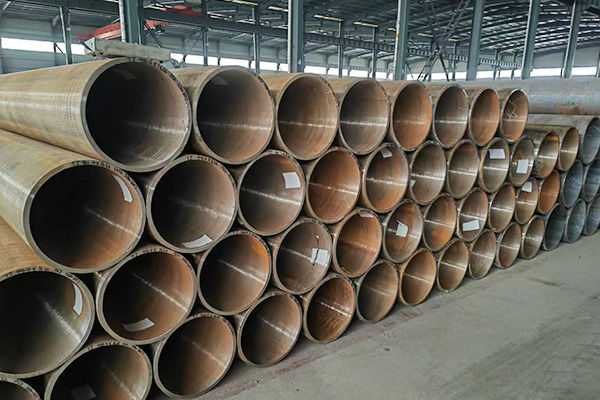
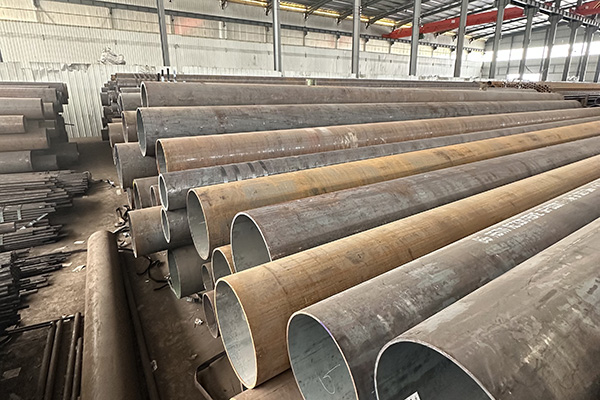
Seamless line pipes are manufactured from a single billet without any welding or joints. This construction ensures uniform mechanical properties along the entire length of the pipe, eliminating weak points that could fail under high-pressure or high-temperature conditions. For oil and gas applications, seamless pipes offer superior strength and reliability compared to welded alternatives.Keywords naturally included: seamless line pipe, oil and gas pipelines, high-pressure systems.
2. Material Selection Matters
Selecting the right material is the first step in pipeline design. Common materials for oil and gas seamless pipes include carbon steel, alloy steel, and stainless steel. Each material offers distinct advantages:
·Carbon steel: Cost-effective, strong, suitable for general oil and gas applications.
·Alloy steel: Enhanced strength, heat resistance, and durability.
·Stainless steel: Excellent corrosion resistance, ideal for corrosive environments.
Proper material selection ensures the pipe can withstand the chemical and mechanical challenges of oil and gas transport.Keywords included: pipeline material selection, alloy steel seamless pipes, stainless steel pipes.
3. Corrosion Resistance in Harsh Environments
Oil and gas pipelines are exposed to various corrosive elements, including crude oil, natural gas, chemicals, and moisture. High-quality seamless line pipes often feature corrosion-resistant alloys and protective coatings to extend service life. Corrosion resistance reduces maintenance costs and minimizes the risk of pipeline failure, ensuring safe and uninterrupted operation.Keywords included: corrosion-resistant seamless pipes, oil and gas applications, protective coatings.
4. Pressure and Temperature Considerations
Oil and gas pipelines operate under high pressures and sometimes extreme temperatures. Choosing a seamless line pipe with the appropriate pressure rating and temperature tolerance is essential. Pipes must comply with standards such as ASTM, API, or ASME, which define mechanical properties, wall thickness, and testing requirements.Keywords included: high-pressure pipelines, ASTM seamless pipes, oil and gas standards.
5. Compliance with Industry Standards
Compliance with international and regional standards is crucial for pipeline safety and reliability. Standards such as API 5L, ASTM A106, and ASME B31.3 provide guidance on pipe dimensions, material grades, and mechanical properties. Adhering to these standards ensures that seamless line pipes meet operational requirements and regulatory obligations.Keywords included: API 5L seamless pipes, ASTM standards, pipeline compliance.
6. Maintenance and Inspection
Even with high-quality seamless line pipes, regular inspection and maintenance are necessary. Non-destructive testing (NDT), including ultrasonic testing and hydrostatic tests, can detect early signs of wear, corrosion, or deformation. Routine maintenance ensures long-term reliability and operational safety for oil and gas pipelines.Keywords included: pipeline inspection, NDT testing, long-term reliability.
7. Conclusion: Reliable Pipes for Oil and Gas
Selecting the right seamless line pipe for oil and gas applications is a critical decision that affects pipeline safety, efficiency, and longevity. By considering material selection, corrosion resistance, pressure rating, and industry standards, engineers can ensure optimal pipeline performance. Investing in high-quality seamless line pipes guarantees reliability, reduces maintenance costs, and ensures safe operation in demanding oil and gas environments.Keywords reinforced: seamless line pipe, oil and gas pipelines, high-performance, corrosion resistance.
References
GB/T 7714:Corrosion performance of martensitic stainless steel seamless pipe for linepipe application. Conference Proceedings, NACE International, Houston
MLA:Mechanical Strength Comparison and Selection of Seamless Steel Pipes for Industrial Applications. Journal of Industrial Piping
APA:Effective Grain Size and Charpy Impact Properties of High-Toughness X70 Pipeline Steels. Metallurgical and Materials Transactions A