

Corrosion resistant seamless pipes are essential in industries where pipelines are exposed to aggressive environments such as chemicals, seawater, humidity, or high temperatures. Choosing the right pipe is critical to ensure long service life, system safety, and cost efficiency.
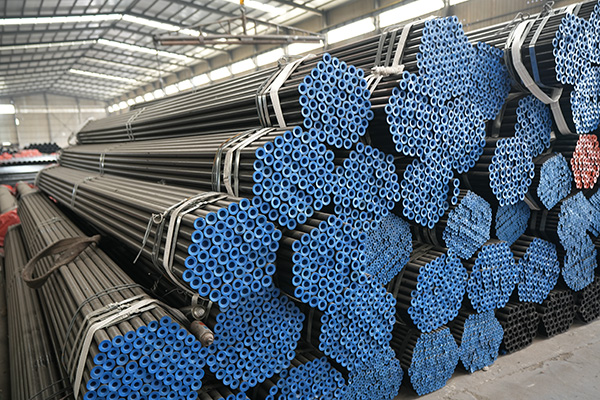
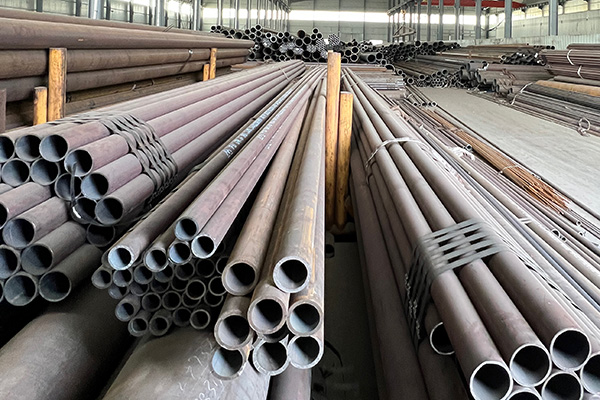
This guide explains the key factors you should consider when selecting corrosion resistant seamless pipes for your project.
1. Understand the Operating Environment
The first step in selecting the right pipe is to clearly define the working environment.
Ask the following questions:
Will the pipe be exposed to seawater or marine conditions?
Is the environment highly acidic or alkaline?
Are there high temperatures or pressure fluctuations?
Will the pipe carry corrosive chemicals or gases?
Different environments require different material grades and protection levels.
2. Choose the Right Material Grade
Material selection is the most important factor in corrosion resistance.
Common materials include:
Stainless Steel (304 / 316 / 316L)
Excellent general corrosion resistance
316/316L performs better in chloride (saltwater) environments
Widely used in chemical and marine industries
Alloy Steel
Enhanced strength and resistance to high temperature
Suitable for industrial and petrochemical applications
Duplex Stainless Steel
High strength + superior corrosion resistance
Ideal for offshore and aggressive environments
3. Consider the Type of Corrosion
Different types of corrosion require different solutions:
Uniform corrosion → general stainless steel may be sufficient
Pitting corrosion → use 316L or duplex steel
Stress corrosion cracking → choose low-carbon or duplex grades
Erosion corrosion → select higher hardness materials
Understanding corrosion type helps prevent premature failure.
4. Evaluate Pressure and Temperature Requirements
Seamless pipes are often used in high-pressure systems, so mechanical performance is critical.
You should check:
Maximum operating pressure
Temperature range (high or low)
Pressure cycling conditions
Higher pressure systems typically require thicker wall pipes and stronger alloys.
5. Check Industry Standards and Certifications
Always ensure the pipe meets international standards such as:
ASTM (American Society for Testing and Materials)
API (American Petroleum Institute)
ASME (American Society of Mechanical Engineers)
These standards guarantee material quality, mechanical strength, and safety compliance.
6. Assess Wall Thickness and Dimensions
Wall thickness affects both strength and corrosion life.
Thicker walls → higher pressure resistance and longer lifespan
Proper sizing → ensures smooth flow and system efficiency
Always match pipe dimensions with system design requirements.
7. Consider Welding and Fabrication Needs
Even though seamless pipes have no weld seam, they still need to connect with other system components.
Check:
Weldability of material
Compatibility with fittings and flanges
Heat treatment requirements after welding
Good weldability improves installation efficiency.
8. Evaluate Cost vs Performance
While high-end materials like duplex stainless steel offer superior performance, they are also more expensive.
·Balance factors such as:
·Initial purchase cost
·Maintenance cost
·Expected service life
·Downtime risk
A slightly higher upfront cost may reduce long-term operational expenses.
Conclusion
Selecting the right corrosion resistant seamless pipe requires a careful balance of environment, material selection, mechanical performance, and cost. By understanding your project conditions and matching them with the correct pipe grade and specifications, you can significantly improve system reliability and lifespan.
Proper selection ensures safer operations, reduced maintenance, and long-term cost efficiency in demanding industrial environments.
References
GB/T 7714:ASTM A312/A312M – Standard Specification for Seamless, Welded, and Heavily Cold Worked Austenitic Stainless Steel Pipe. ASTM Standards.
MLA:Corrosion of Stainless Steels. Wiley-Interscience.
APA:ASME B31.3 – Process Piping Code. American Society of Mechanical Engineers.