

Stainless steel seamless pipe is widely used in high-pressure and high-temperature industrial systems due to its excellent strength, corrosion resistance, and structural integrity. One of the most important factors engineers and buyers consider is its pressure rating and performance under working conditions. Understanding these properties helps ensure safety, efficiency, and long service life in critical applications.
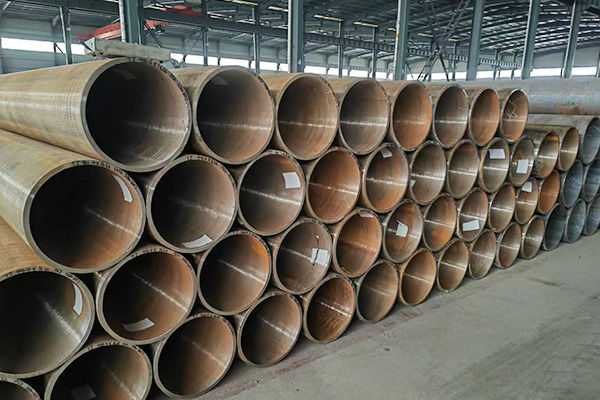
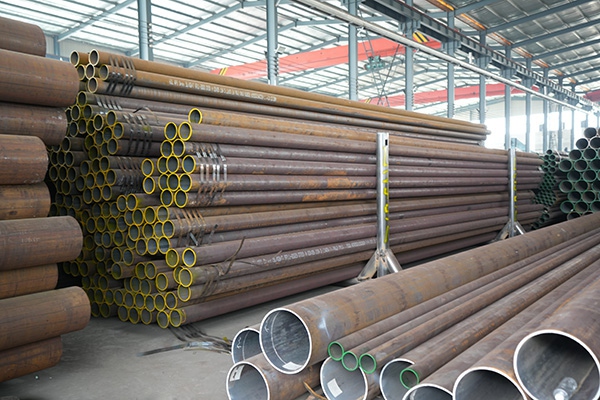
What Is Pressure Rating in Stainless Steel Seamless Pipe?
Pressure rating refers to the maximum internal pressure that a pipe can safely withstand without failure under specific temperature conditions. It is influenced by several factors:
Pipe outer diameter (OD)
Wall thickness (schedule)
Material grade (e.g., 304, 316, 321)
Operating temperature
Manufacturing standards (ASTM, ASME, DIN, etc.)
Because seamless pipes have no welded seam, they generally provide higher and more uniform pressure resistance compared to welded pipes.
Why Seamless Pipe Performs Better Under Pressure
Stainless steel seamless pipes are manufactured by piercing a solid billet, which eliminates weak points such as weld seams. This structure provides several performance advantages:
1. Uniform Strength Distribution
Without welding joints, stress is evenly distributed across the pipe wall, reducing the risk of cracks or leakage under pressure.
2. Higher Pressure Handling Capability
Seamless pipes can typically handle higher working pressures, especially in smaller diameters and thicker wall schedules.
3. Improved Safety in Critical Systems
They are widely used in industries where failure is not an option, such as oil, gas, and chemical processing.
Key Factors Affecting Pressure Performance
1. Material Grade
Different stainless steel grades have different mechanical strengths:
304 / 304L: General industrial use
316 / 316L: Better corrosion resistance, suitable for marine and chemical environments
321: High-temperature applications
2. Wall Thickness (Schedule)
The thicker the wall, the higher the pressure capacity. Common schedules include:
SCH 10 / SCH 40 / SCH 80 / SCH 160
Higher schedule = higher pressure resistance.
3. Operating Temperature
As temperature increases, the strength of stainless steel decreases. Therefore, pressure rating must be derated at high temperatures.
4. Pipe Diameter
Smaller diameter pipes generally withstand higher pressure compared to larger diameter pipes with the same wall thickness.
Typical Applications Requiring High Pressure Performance
Stainless steel seamless pipes are essential in:
·Oil and gas transmission systems
·Hydraulic and pneumatic systems
·Chemical processing plants
·Boiler and heat exchanger systems
·High-pressure fluid transport
·Power generation plants
How to Select the Right Pressure Rating Pipe
When choosing stainless steel seamless pipe, consider the following:
Working pressure requirement
Medium type (water, oil, gas, corrosive chemicals)
Temperature conditions
Safety factor (usually 1.5–4 times working pressure)
Industry standards compliance
Advantages of Stainless Steel Seamless Pipe in Pressure Systems
High tensile strength
Excellent corrosion resistance
Long service life
Low maintenance cost
Reliable performance under extreme conditions
Conclusion
The pressure rating and performance of stainless steel seamless pipe make it a critical component in modern industrial systems. Its seamless structure, combined with excellent mechanical properties, ensures safe operation in high-pressure and high-demand environments.
Choosing the right material grade, wall thickness, and specification is essential to guarantee performance and safety.
References
GB/T 7714:Process Piping, American Society of Mechanical Engineers.
MLA:Welded and Seamless Wrought Steel Pipe, ASME Standard.
APA:Seamless and Welded Austenitic Stainless Steel Pipe, ASTM International.