

In modern industrial operations, steam stands out as one of the most crucial energy carriers, widely used for heating, power generation, sterilization, and various processing procedures. To convey this high-energy medium in a safe and efficient manner, industries depend on a key infrastructure component known as a steam pipeline tube. While it may seem like a simple metal pipe at first glance, a steam pipeline tube is actually a highly engineered product specifically designed to endure extreme temperatures, high pressure, and continuous operational conditions.
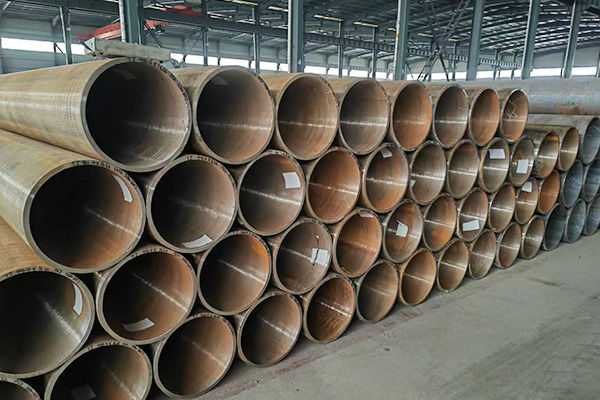
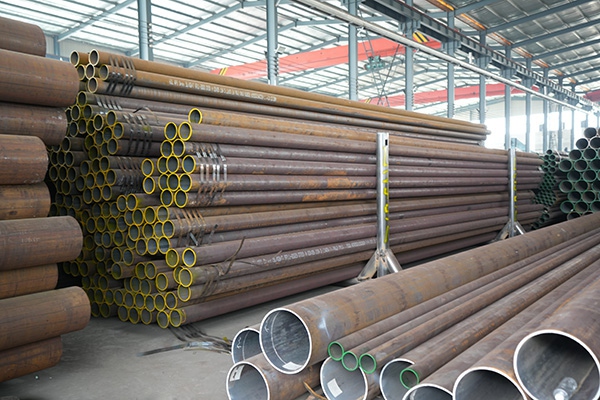
What Is a Steam Pipeline Tube?
A steam pipeline tube is a specialized industrial tube crafted to transport steam from boilers to various end-use equipment within a plant or facility. It is engineered for high-pressure and high-temperature environments where conventional piping systems would be unable to withstand the stress and fail. These tubes are usually manufactured from the following materials:
Carbon steel
Alloy steel
Stainless steel
Each material is chosen based on the operating temperature, pressure level, and corrosion conditions of the specific industrial environment. Unlike standard water pipes, steam pipeline tubes must maintain their structural integrity when subjected to thermal expansion, vibration, and constant stress during long-term operation.
Key Functions of Steam Pipeline Tubes
Steam pipeline tubes are indispensable in numerous industries, as they fulfill several critical functions:
1. Steam Transportation
They deliver high-pressure steam generated by boilers to various types of equipment, including turbines, heat exchangers, and reactors, ensuring the seamless supply of steam to where it is needed.
2. Heat Transfer
Steam is capable of carrying large quantities of thermal energy, making steam pipeline tubes highly efficient for supporting industrial heating processes across different production lines.
3. Power Generation Support
In power plants, steam pipelines play a vital role in transporting steam that drives turbines, which in turn generate electricity for industrial and commercial use.
4. Industrial Processing
Steam is extensively used in a range of industrial processes, such as drying, cleaning, sterilization, and chemical production, all of which rely on steam pipeline tubes for reliable steam delivery.
How Does a Steam Pipeline Tube Work?
The working process of a steam pipeline system can be broken down into the following key stages:
1. Steam Generation
Water is heated in a boiler to a high temperature until it transforms into high-temperature, high-pressure steam, ready for transportation.
2. Steam Flow Through Pipeline
The generated steam enters the steam pipeline tube system and flows through insulated piping. This insulation is specifically designed to minimize heat loss during transportation, ensuring energy efficiency.
3. Pressure and Flow Control
Valves, regulators, and advanced control systems work together to manage the pressure and flow rate of the steam, guaranteeing safe and stable operation of the entire pipeline system.
4. Energy Utilization
The steam reaches end-use equipment, where it releases its thermal energy to perform various types of work, such as heating materials or driving mechanical movement.
5. Condensate Recovery (Optional)
After releasing its heat, the steam condenses back into water. This condensed water can be collected and reused in the boiler, which helps improve the overall efficiency of the entire steam system.
Materials Used in Steam Pipeline Tubes
Selecting the appropriate material is crucial for ensuring the safety and optimal performance of steam pipeline tubes. Common materials include:
Carbon Steel – Widely adopted for general industrial applications due to its cost-effectiveness and reliable performance under standard operating conditions.
Alloy Steel – Suitable for environments with high pressure and high temperature, as it offers enhanced strength and resistance to thermal stress.
Stainless Steel – Ideal for corrosive environments, such as those in the food, pharmaceutical, and chemical industries, thanks to its excellent corrosion resistance.
The selection of material depends on the specific operating conditions and project requirements of the industrial facility.
Why Steam Pipeline Tubes Are Important
Steam pipeline tubes play a vital role in industrial systems for the following reasons:
Guarantee the safe and efficient transport of steam throughout the industrial facility.
Reduce energy loss through proper insulation and scientific design of the pipeline system.
Support continuous and stable industrial operations, minimizing unplanned interruptions.
Prevent system failures that could occur under high-pressure operating conditions.
Enhance the overall energy efficiency of industrial plants, reducing operational costs.
A poorly designed or low-quality pipeline system can lead to steam leaks, unplanned downtime, and even serious safety hazards for workers and the facility.
Common Industrial Applications
Steam pipeline tubes are widely used in various industries, including:
Power generation plants
Oil and gas refineries
Chemical manufacturing facilities
Textile and paper industries
Food processing and sterilization systems
Their versatility and reliability make them an essential component in nearly every heavy industry sector.
Maintenance and Safety Considerations
To ensure the long-term performance and safety of steam pipeline systems, regular maintenance is essential. Key maintenance tasks include:
Routine inspections to detect corrosion, cracks, or potential leakage points in the pipeline.
Proper thermal insulation to reduce heat loss and maintain energy efficiency.
Continuous monitoring of pressure and temperature levels to ensure they remain within safe operating ranges.
Regular maintenance of valves and control systems to keep them in optimal working condition.
Replacement of worn or damaged pipeline sections when necessary to prevent system failures.
Given that steam systems operate under high pressure, strict adherence to safety standards is mandatory at all times to protect workers and the facility.
Conclusion
A steam pipeline tube is far more than just a simple pipe—it is a critical component of industrial energy systems. It ensures the safe, efficient, and continuous transport of steam, which is essential for heating, power generation, and various industrial processing operations. Understanding how steam pipeline tubes work and their importance helps engineers and plant operators design safer, more efficient, and more reliable systems that support long-term industrial productivity and operational stability.
References
GB/T 7714: Industrial Steam Pipeline Tubes: Design, Materials, and Operational Safety. Journal of Industrial Infrastructure
MLA:Operational Maintenance and Safety Measures for Industrial Steam Pipeline Systems. Industrial Safety and Environmental Protection
APA:A Comprehensive Review of Steam Pipeline Materials and Their Performance. International Journal of Industrial Engineering