

Oil refineries and petrochemical facilities operate under extremely harsh working conditions, characterized by extreme temperatures, high system pressure, and corrosive hydrocarbon media. The stability of piping systems directly determines the operational safety, production efficiency and maintenance cycle of the entire refinery unit. As professional special industrial pipes, refinery piping tubes are tailor-made for complex oil and gas processing environments, serving as indispensable core infrastructure for crude oil processing, refined product transportation and chemical fluid delivery. This article systematically introduces the core characteristics, mainstream materials, production processes and application values of high-performance refinery piping tubes.
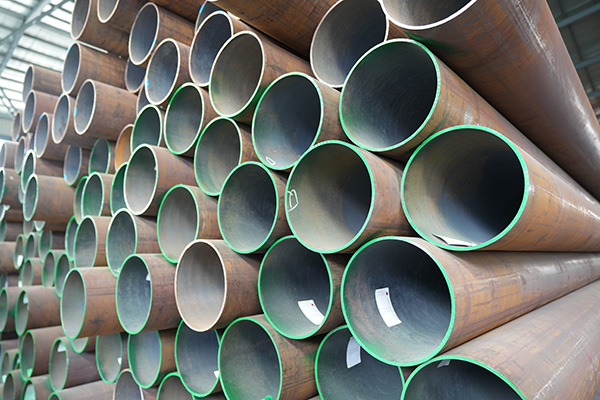
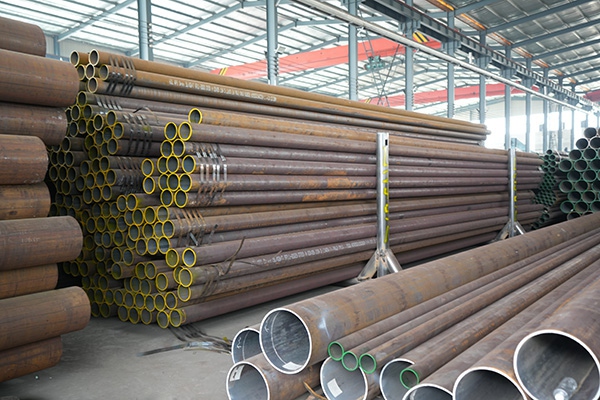
Significance of High-Standard Refinery Pipes
Refinery production runs 24/7 continuously, with equipment exposed to corrosive substances such as hydrogen sulfide and carbon dioxide for a long time. Ordinary industrial pipes are prone to leakage, deformation and structural failure under the combined effect of high temperature, high pressure and corrosive media. High-performance refinery piping tubes effectively avoid these risks, reducing unplanned shutdown maintenance, eliminating potential safety hazards, and extending the service life of the entire piping network, which is the key to stable and efficient operation of petrochemical units.
Mainstream Material Classification and Application Scenarios
Material selection is the core of refinery pipe design, and different steel grades are matched according to operating temperature, pressure and fluid properties. Conventional carbon steel including ASTM A106 and A53 is widely used for ordinary process pipelines with medium and low load. Low-alloy steel represented by ASTM A335 P11 and P22 is specially applied to high-temperature and high-pressure reaction units to resist thermal deformation. 304 and 316L stainless steel materials feature outstanding chemical corrosion resistance, suitable for chemical fluid transportation and corrosive working sections. In addition, duplex stainless steel effectively prevents stress corrosion cracking, becoming the preferred material for harsh petrochemical environments.
Standardized Manufacturing and Strict Quality Control
High-quality refinery pipes adopt standardized seamless manufacturing processes. Starting from the precise screening of high-purity steel billets, the products are formed by high-temperature piercing and hot rolling, and can be finely processed by cold finishing to optimize dimensional accuracy and surface smoothness. Professional heat treatment procedures refine the internal metal structure, greatly improving the mechanical strength and high-temperature stability of the pipes. Finally, precision sizing, straightening and anti-corrosion surface treatment are completed to meet industrial installation standards. All finished pipes pass full-range strict tests, including hydrostatic pressure resistance test, ultrasonic and eddy current non-destructive flaw detection, chemical composition analysis, mechanical performance test and dimensional calibration. Only products that fully meet the standards can be delivered for use, ensuring zero-defect operation in refinery systems.
Core Performance and Industrial Applications
High-performance refinery piping tubes possess multiple superior properties: reliable high-pressure bearing capacity, excellent acid and gas corrosion resistance, stable structural performance under extreme temperature, and long service life, which greatly reduce equipment replacement and maintenance costs. The seamless integral structure further avoids leakage risks and improves operational safety. These professional pipes are widely used in crude oil distillation units, hydrocracking systems, petrochemical reforming equipment, gas processing stations, heat exchange systems and various oil and gas transmission pipelines, covering the whole process of oil refining and petrochemical production.
Manufacturer Advantages and Conclusion
As a professional refinery pipe supplier, our products strictly comply with ASTM, ASME and API international industry standards. With advanced heat treatment and precision forming technology, we provide carbon steel, alloy steel and stainless steel pipes of complete specifications, supporting personalized OEM customization. With full-process NDT testing, stable factory direct supply and competitive pricing, we provide reliable long-term piping solutions for global oil and gas refining projects. In conclusion, high-quality refinery piping tubes are the foundation of safe petrochemical production. Professional materials, standardized processes and strict quality control are essential to adapt to harsh refinery working conditions and ensure long-term stable system operation.
References
GB/T 7714:Material Selection and Corrosion Failure Analysis of Petroleum Refinery Process Piping. Engineering Failure Analysis
MLA:Corrosion Resistance Evaluation of Stainless and Duplex Steel Pipes in Sour Refinery Environments. Corrosion Science
APA:High-Pressure and High-Temperature Performance of Carbon and Alloy Steel Pipes for Petrochemical Plants. International Journal of Pressure Vessels and Piping