

Boiler and thermal energy systems run under harsh working conditions featuring persistent high temperature, high pressure and repeated thermal cycling. Pipe material selection directly determines the operational safety, energy efficiency and service life of the entire system. As a dedicated industrial pipe product, boiler seamless steel pipes are uniquely engineered to withstand extreme thermal and pressure loads, serving as core components for thermal power plants, industrial boilers and heat exchange equipment. This guide focuses on the core characteristics, selection criteria, standards and application values of high-performance boiler seamless steel pipes.
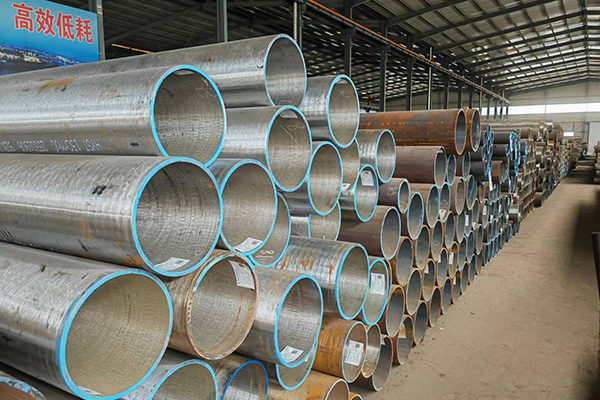
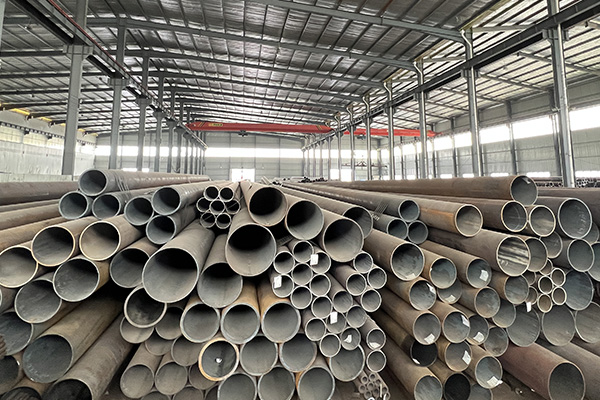
Overview and Core Advantages of Boiler Seamless Steel Pipes
Boiler seamless steel pipes are integral forming steel tubes without welding joints, specially developed for conveying high-temperature steam, hot water and thermal fluids in boiler systems. Different from ordinary welded pipes, their integrated structural design eliminates weld seam weaknesses, delivering outstanding high-temperature resistance, superior pressure-bearing capacity and stable mechanical properties. These traits enable the pipes to maintain stable performance in long-term high-temperature thermal environments and avoid cracking or rupture risks, fully adapting to continuous and high-load boiler operation. The seamless structure is the core reason why such pipes have become the mainstream choice for boiler systems. Uniform pipe wall thickness ensures consistent pressure resistance, while excellent thermal stability and anti-fatigue properties allow the pipes to cope with frequent thermal cycling, effectively guaranteeing the operational reliability of superheated steam and high-pressure thermal systems.
Core Technical Criteria for Pipe Selection
Scientific selection is the key to ensuring boiler system safety, with working temperature and pressure as the primary reference indicators. For low and medium-temperature boiler scenarios, ASTM A106 carbon steel pipes are widely used for their stable basic performance. High-temperature and ultra-high-temperature industrial systems need high-grade alloy steel pipes such as ASTM A335 series to resist thermal deformation and oxidation. In terms of pressure resistance, standard carbon steel suits low-pressure systems, while medium and high-pressure operating environments must adopt enhanced carbon steel or professional alloy seamless pipes with sufficient safety margins reserved. Common international boiler pipe grades cover ASTM A192, A210 and A335 (P11, P22, P91), covering all working conditions from medium pressure conventional boilers to ultra-high pressure thermal power equipment. In addition, pipe wall thickness and diameter need reasonable matching: thicker walls improve pressure resistance, while larger diameters boost fluid delivery efficiency. Meanwhile, high-temperature creep resistance, thermal stability and oxidation resistance of materials should be prioritized to prevent long-term high-temperature deformation and failure.
Production Standards and Strict Quality Control
Qualified boiler seamless pipes must comply with authoritative international specifications including ASTM, ASME boiler pressure vessel codes, EN/DIN European standards and GB Chinese national standards, ensuring universal adaptability for global industrial projects. To meet strict safety standards, all finished pipes undergo comprehensive testing: hydrostatic pressure testing, ultrasonic and eddy current non-destructive flaw detection, mechanical performance testing, chemical composition analysis and dimensional calibration. Only products with zero defects in all indicators can be put into boiler supporting applications.
Applications and Product Strengths
Boiler seamless steel pipes are widely applied in thermal power generation, industrial boiler equipment, chemical heating systems, heat exchangers and high-temperature steam transmission pipelines, supporting safe and efficient energy conversion for various high-temperature industrial scenarios. As a professional manufacturer, we supply standardized and customized boiler seamless steel pipes fully compliant with international norms. Adopting mature hot rolling and precision heat treatment technology, our products feature precise dimensional tolerance control, complete steel grade specifications and full-process quality testing. We provide OEM personalized solutions with stable factory direct supply and cost-effective pricing, ensuring long-term safe and stable operation of customer boiler systems.
Conclusion
The selection of boiler seamless steel pipes needs comprehensive consideration of operating temperature, pressure level, material grade and quality certification. Reasonable material matching and standardized quality screening are the foundation of avoiding operational risks and extending equipment service life. Our high-standard boiler seamless steel pipes can fully meet the harsh operating requirements of various high-temperature and high-pressure industrial boiler systems.
References
GB/T 7714:Microstructure and Creep Behavior of ASTM A335 P91 Alloy Steel for High-Pressure Boiler Tubes. Metallurgical and Materials Transactions A
MLA:Material Selection and Failure Analysis of High-Temperature Boiler Seamless Tubes. Engineering Failure Analysis
APA:Non-destructive Testing and Quality Control Standards for Industrial Boiler Steel Pipes.Journal of Materials Engineering and Performance