

Understanding Alloy Steel Pipe Classifications
Alloy steel pipes incorporate deliberate additions of elements beyond carbon and manganese to achieve enhanced properties for demanding applications. Chromium provides oxidation and corrosion resistance at elevated temperatures. Molybdenum contributes to creep strength and hardenability. Vanadium, niobium, and titanium form carbides and nitrides that provide precipitation strengthening. Manufacturers select alloy compositions based on intended service conditions, balancing property requirements against material costs and fabrication considerations.
ASTM A333 alloy steel pipes serve low-temperature applications where carbon steels would suffer reduced toughness. Grades 3 and 4 contain nickel additions maintaining ductility at temperatures as low as -150°F (-100°C). Factory production of these grades requires careful heat treatment to achieve the required combination of strength and low-temperature impact properties. Suppliers provide detailed testing results confirming conformance to specification requirements.
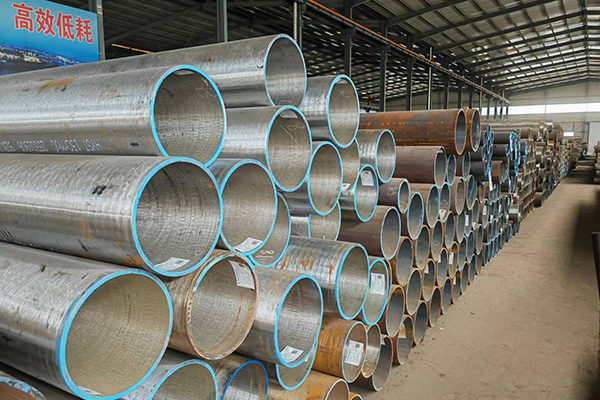
Manufacturing Excellence in Alloy Pipe Production
Leading manufacturers of alloy steel pipes operate facilities equipped for precise metallurgical control. Steelmaking processes incorporate vacuum degassing to reduce hydrogen and oxygen content, reducing the risk of embrittlement and inclusion-related defects. Casting operations produce homogeneous billets suitable for subsequent forming. Heat treatment furnaces with accurate temperature control develop optimal microstructures for each grade.
Quality-conscious suppliers implement comprehensive testing programs throughout production. Chemical analysis verifies alloy composition meets specification requirements. Mechanical testing confirms strength, ductility, and toughness properties. Non-destructive examination identifies any surface or subsurface imperfections. Factory laboratories maintain accreditation to international standards, providing customers confidence in test result accuracy.
High-Temperature Service Applications
Power generation represents a major market for alloy steel pipes. Chromium-molybdenum grades specified in ASTM A335 serve high-temperature steam service in boilers and superheaters. Higher chromium content grades resist oxidation at temperatures exceeding 1000°F (538°C). Manufacturers serving power generation markets understand the critical nature of these applications and provide appropriate quality documentation and technical support.
Petrochemical and refining operations extensively use alloy steel pipes for process units operating at elevated temperatures and pressures. Hydrocrackers, catalytic reformers, and other units require materials resistant to hydrogen attack and stress corrosion cracking. Suppliers with experience in petrochemical markets offer grades optimized for specific service conditions, supported by testing data demonstrating relevant property performance.
Low-Temperature and Cryogenic Applications
Natural gas processing and liquefaction facilities require materials maintaining toughness at cryogenic temperatures. ASTM A333 Gr.6 serves temperatures to -50°F (-45°C) with appropriate testing verification. Nickel-alloyed grades extend service capability to even lower temperatures. Factory production of these grades requires specialized heat treatment developing fine-grain microstructures providing required toughness properties.
Offshore platforms and subsea pipelines in Arctic environments also specify low-temperature materials. Manufacturers producing pipes for these applications implement enhanced testing protocols including Charpy impact testing at or below minimum design temperatures. Suppliers provide comprehensive documentation packages supporting customer qualification requirements for these demanding applications.
Partnering with Qualified Suppliers
Selecting the right alloy steel pipe supplier requires evaluating technical capabilities, quality performance, and service commitment. Manufacturers with integrated production from steelmaking through finishing offer advantages in quality control and scheduling flexibility. Quality certifications including ISO 9001 registration and relevant API and ASTM certifications demonstrate commitment to quality management principles.
Technical support capabilities differentiate suppliers beyond basic product availability. Metallurgical expertise supports material selection and resolution of technical issues. Welding engineering assistance helps customers develop qualified procedures for alloy materials. Responsive customer service ensures timely communication and prompt resolution of any concerns. Long-term partnerships with capable manufacturers support successful project execution and operational excellence.
References
ASTM International. ASTM A335/A335M Standard Specification for Seamless Ferritic Alloy-Steel Pipe for High-Temperature Service.
ASTM International. ASTM A333/A333M Standard Specification for Seamless and Welded Steel Pipe for Low-Temperature Service.
American Society of Mechanical Engineers. ASME B31.3 Process Piping.