

Technical Advantages of X60 Grade Steel Pipe
API 5L X60 line pipe represents a significant advancement in pipeline steel technology, delivering minimum yield strength of 60,000 psi (415 MPa) while maintaining excellent weldability and toughness characteristics. Manufacturers have developed sophisticated steel compositions and processing routes to achieve this combination of properties. The grade enables more efficient pipeline designs through reduced wall thicknesses and extended distances between pump stations, translating to substantial cost savings for major transmission projects.
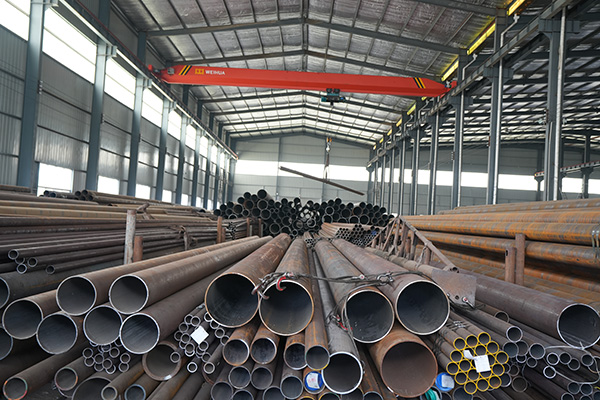
Factory metallurgists optimize X60 production through controlled rolling practices that achieve fine-grain microstructures providing high strength without excessive alloy content. This approach maintains low carbon equivalent values essential for field welding, reducing preheat requirements and improving construction productivity. Suppliers serving major pipeline projects understand that material performance during construction is as important as service performance.
Manufacturing Excellence in Modern Facilities
Leading manufacturers of API 5L X60 pipes operate integrated production facilities combining steelmaking, rolling, and finishing operations under unified quality management systems. This integration enables precise control of all process variables affecting final product properties. Advanced process control systems monitor temperature, rolling force, and timing parameters throughout production, ensuring consistent quality across thousands of tons.
Quality-conscious suppliers invest in laboratory equipment and testing capabilities to verify product conformance throughout the manufacturing process. Chemical analysis verifies composition meets specification limits. Mechanical testing confirms tensile and impact properties. Non-destructive examination identifies any defects requiring repair or rejection. Factory laboratories maintain accreditation to international standards, providing customers confidence in test result accuracy.
Critical Infrastructure Applications
High-pressure gas transmission lines represent the primary application for API 5L X60 pipes. Operating pressures often exceed 1,000 psi, requiring materials with adequate strength to contain these pressures safely. The X60 grade enables efficient design of these systems, minimizing material costs while providing safety margins required by pipeline codes and regulations. Suppliers serving natural gas utilities and transmission operators understand the critical nature of these applications.
Offshore platforms and subsea pipelines increasingly specify X60 and higher grades to minimize topside weight while meeting pressure and corrosion requirements. Factory-applied corrosion-resistant alloys and coatings protect against aggressive service environments. Manufacturers with offshore project experience provide additional testing and documentation to meet the stringent requirements of marine applications.
Quality Assurance Framework
Comprehensive quality management systems govern API 5L X60 production at leading manufacturing facilities. Incoming raw material inspection verifies steel composition meets internal specifications more stringent than API minimum requirements. In-process inspections at key production stages identify potential issues before significant value is added. Final inspection confirms all dimensional, mechanical, and surface quality requirements before product release.
Suppliers maintain documented procedures for all manufacturing and inspection activities, ensuring consistent execution regardless of personnel changes. Training programs develop operator competencies and reinforce quality culture throughout the organization. Continuous improvement initiatives address quality issues systematically, reducing recurrence and enhancing customer satisfaction. Factory audits by customers and third parties verify effective implementation of quality systems.
Partner Selection for Project Success
Selecting the right API 5L X60 pipe supplier involves evaluating technical capabilities, quality performance, commercial terms, and service commitment. Manufacturers with proven track records in similar applications provide confidence in delivery performance. Technical support capabilities help customers optimize material specifications and resolve construction challenges. Logistics expertise ensures on-time delivery to project sites, often in remote locations with limited transportation infrastructure.
Long-term partnerships with reliable suppliers reduce procurement risk and support project success. Manufacturers value relationships with customers who provide stable demand, investing in capabilities to serve their specific needs. This mutual commitment drives continuous improvement in product quality and service delivery, benefiting both parties and the end users of pipeline infrastructure.
References
American Petroleum Institute. API 5L Specification for Line Pipe, 46th Edition.
American Society of Mechanical Engineers. ASME B31.8 Gas Transmission and Distribution Piping Systems.
Pipeline Research Council International. Guidelines for the Design of Buried Steel Pipe, 2017.