

Seamless steel pipes have emerged as an essential component in contemporary engineering, delivering unparalleled reliability and performance across a wide range of industries. Unlike welded pipes, seamless pipes are produced without a joint or seam, which enhances their structural strength, durability, and pressure resistance. This article delves into the professional applications of seamless steel pipes, emphasizing their significance in construction, energy, and industrial systems.
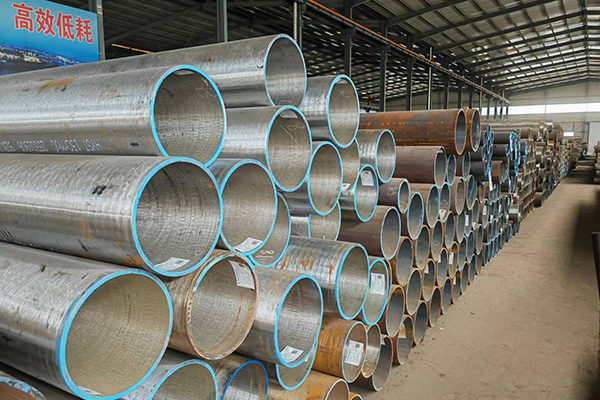
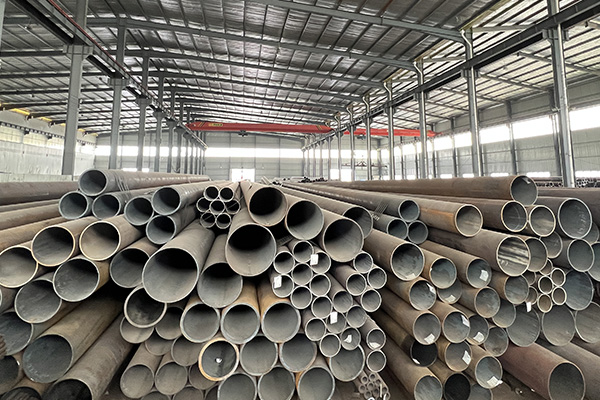
Superior Strength for Structural Uses
In the construction sector, seamless steel pipes are highly preferred due to their exceptional strength and load-bearing capability. Their seamless structure eliminates the weak points commonly found in welded pipes, making them ideal for high-rise buildings, bridges, and industrial frameworks. Construction engineers frequently rely on seamless pipes for scaffolding, structural columns, and support beams—applications where safety and dependability are non-negotiable. With consistent wall thickness and uniform material properties, these pipes minimize the risk of structural failure under extreme loads, ensuring long-term durability and stability.
Corrosion Resistance and Extended Service Life
Seamless steel pipes demonstrate excellent corrosion resistance, particularly when paired with protective coatings or specialized alloy compositions. In industrial settings where pipes are exposed to moisture, chemicals, or harsh weather, corrosion resistance becomes a critical consideration. Chemical processing plants and water treatment facilities often opt for seamless pipes due to their long service life and reduced maintenance needs. The absence of welding seams further lowers the risk of localized corrosion, contributing to higher safety standards and reduced operational costs over time.
Precision Performance in Energy Applications
Energy infrastructure—including oil, gas, and power generation systems—requires materials capable of withstanding high pressure and extreme temperatures. Seamless steel pipes are widely used in oil and gas pipelines, boilers, and heat exchangers, where precision and reliability are of utmost importance. Their smooth internal surface ensures unobstructed fluid flow, reducing pressure drops and preventing turbulence—key factors in maintaining operational efficiency. Engineers value the predictable mechanical properties of seamless pipes, which facilitate safe and accurate design calculations for complex energy projects.
Versatility in Industrial Systems
Seamless steel pipes are not confined to construction and energy sectors; they also play a vital role in diverse industrial systems. Hydraulic systems, machinery, and manufacturing lines often require pipes that can handle high pressure without deformation. Seamless pipes offer precise dimensions and smooth inner surfaces, which are essential for optimal fluid dynamics, leak prevention, and maintaining system integrity. Furthermore, their versatility allows for customization in terms of diameter, wall thickness, and alloy composition to meet specialized industrial requirements.
Boosting Safety in High-Pressure Environments
Safety is a top priority in the design of high-pressure piping systems. Seamless steel pipes provide a higher safety margin compared to welded alternatives, as they lack weld joints—potential points of failure. In applications such as steam boilers, pressure vessels, and high-pressure chemical lines, seamless pipes ensure reliable operation under extreme conditions. Their predictable tensile strength and resistance to cracking reduce the risk of accidents, making them the material of choice for industries where human safety and operational continuity are critical.
Long-Term Cost Efficiency Through Durability
While seamless steel pipes may have a higher initial cost than welded pipes, their durability and reduced maintenance requirements result in long-term cost efficiency. Fewer replacements, less downtime, and enhanced reliability translate to significant savings for industrial operators. Project managers and procurement specialists recognize the value of investing in seamless steel pipes for projects where longevity and minimal maintenance are key priorities. This balance between upfront investment and long-term savings highlights the strategic importance of seamless piping solutions.
Conclusion
Seamless steel pipes represent the pinnacle of engineering reliability, combining strength, precision, and versatility. From high-rise buildings and bridges to oil pipelines and industrial machinery, their applications are extensive and critical. By choosing seamless steel pipes, industries gain a material that ensures safety, operational efficiency, and long-term cost savings. As technology and engineering demands evolve, the role of seamless pipes will continue to expand, proving that these pipes are more than just conduits—they are the backbone of modern infrastructure and industrial excellence.
References
GB/T 7714: Mechanical Properties and Structural Application of Seamless Steel Pipes in High-Rise Building Construction. Journal of Construction Materials and Structures
MLA:Corrosion Resistance Optimization of Seamless Steel Pipes for Chemical and Marine Engineering. Journal of Materials Science and Engineering
APA:Cost-Benefit Analysis of Seamless vs. Welded Steel Pipes in Industrial Applications. Journal of Industrial Engineering and Management