

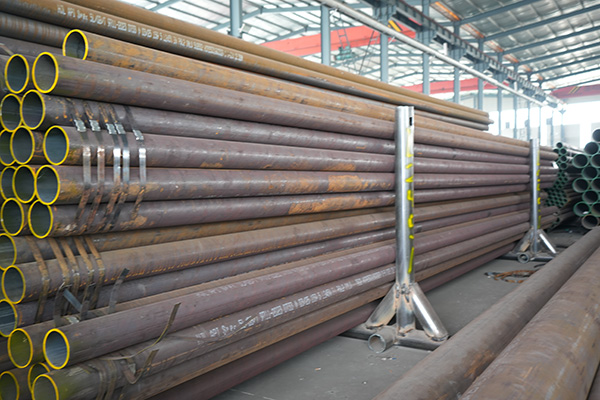
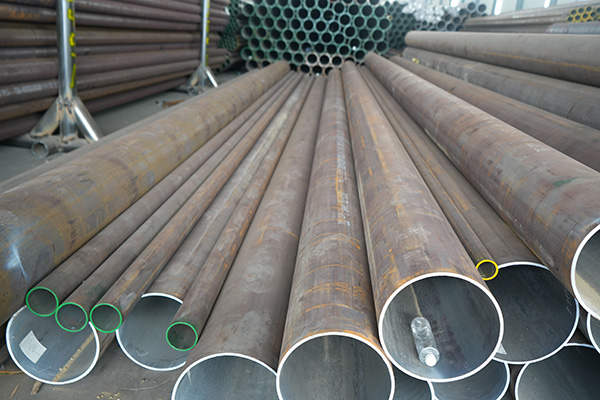
Steam plays a foundational role in modern industrial production, particularly in power plants and large-scale manufacturing facilities. To convey steam safely and efficiently throughout complex industrial systems, industries depend on steam pipeline tubes as a core component. These tubes are far more than simple connecting parts—they are crucial infrastructure elements that ensure stable energy transfer under high-temperature and high-pressure operating conditions. This article explores the most common applications of steam pipeline tubes in power plants and factories, as well as their irreplaceable role in supporting industrial operations.
1. Applications in Power Plants
Power plants are among the largest consumers of steam pipeline systems, where steam pipeline tubes serve as the backbone of energy conversion and distribution processes.
1.1 Steam Generation and Transport
In thermal power plants, water is heated in boilers to generate high-pressure steam. Steam pipeline tubes are responsible for transporting this steam to turbines while minimizing energy loss, ensuring maximum energy efficiency.
1.2 Turbine Operation
The steam delivered by pipeline tubes drives turbine blades at high speeds, converting thermal energy into mechanical energy. This mechanical energy is then further converted into electricity for industrial and civilian use. Without reliable steam pipeline tubes, stable turbine operation would be unattainable.
1.3 Reheat and Regenerative Systems
Modern power plants often adopt multi-stage steam systems to enhance efficiency. Steam pipeline tubes facilitate the transfer of steam between reheaters and feedwater heaters, optimizing the energy utilization of the entire system.
1.4 Condensate Return Systems
After passing through turbines, steam condenses back into water. Steam pipeline systems play a key role in returning this condensed water to boilers for reuse, which significantly improves the overall energy efficiency of the power plant.
2. Applications in Chemical Plants
The chemical industry relies heavily on steam for heating processes and precise process control, making steam pipeline tubes an essential part of its operations.
2.1 Reactor Heating
Steam pipeline tubes supply consistent heat to chemical reactors, ensuring that reaction temperatures remain within the required range for safe and efficient chemical reactions.
2.2 Distillation Processes
Steam is widely used in distillation columns to separate different chemical components. Steam pipeline tubes deliver the necessary heat to drive the distillation process, ensuring accurate separation of materials.
2.3 Drying and Evaporation
Many chemical products require drying or concentration during production, and these processes are typically achieved using steam-based heating systems, supported by reliable steam pipeline tubes.
3. Applications in Oil and Gas Industry
In oil refineries and gas processing plants, steam pipeline tubes support a wide range of heating and processing operations, contributing to the smooth running of the industry.
3.1 Crude Oil Refining
During crude oil distillation and separation processes, steam is used to heat the crude oil, reducing its viscosity and facilitating the separation of different fractions. Steam pipeline tubes deliver this heat efficiently to the processing units.
3.2 Pipeline Heating
Steam pipelines are used to maintain the temperature of long-distance oil pipelines, preventing the crude oil from thickening or solidifying, which would disrupt the transportation process.
3.3 Equipment Cleaning
High-pressure steam is an effective tool for cleaning equipment and removing residues in oil and gas processing units. Steam pipeline tubes deliver this high-pressure steam to the cleaning points, ensuring equipment hygiene and operational safety.
4. Applications in Food and Beverage Factories
Steam is widely used in food processing due to its clean, efficient heating properties, and steam pipeline tubes are essential for delivering steam to various production processes.
4.1 Sterilization
Steam pipeline tubes deliver clean steam for sterilizing production equipment and packaging materials, ensuring that food and beverage products meet strict hygiene standards.
4.2 Cooking and Processing
In large-scale food production, steam is used for cooking, boiling, and pasteurization processes. Steam pipeline tubes provide a stable and consistent supply of steam to these processes, ensuring product quality and safety.
4.3 Cleaning Systems
Food and beverage factories use steam to clean production lines and equipment, and steam pipeline tubes deliver the necessary steam to maintain a hygienic production environment.
5. Applications in Textile and Paper Industries
Steam is indispensable for the finishing and processing of materials in the textile and paper industries, with steam pipeline tubes supporting key production steps.
5.1 Textile Drying and Dyeing
Steam provides controlled heat for drying fabrics and fixing dyes, ensuring that textile products have consistent color and quality. Steam pipeline tubes deliver this heat accurately to the drying and dyeing equipment.
5.2 Paper Production
During paper manufacturing, steam pipeline systems help dry and press paper sheets, removing excess moisture and ensuring the paper meets the required thickness and quality standards.
5.3 Heat Setting Processes
Steam is used in heat setting processes to stabilize the structure of fabrics, improving their durability and appearance. Steam pipeline tubes deliver the necessary steam to achieve precise heat setting.
6. Applications in Pharmaceutical Industry
Pharmaceutical manufacturing requires highly controlled and sterile environments, and steam pipeline tubes play a critical role in meeting these strict requirements.
6.1 Sterilization of Equipment
Steam pipeline tubes deliver high-temperature steam for sterilizing production equipment, ensuring that pharmaceutical products are not contaminated during manufacturing.
6.2 Clean Room Systems
Steam is used to maintain hygiene standards in clean rooms, where pharmaceutical products are manufactured. Steam pipeline tubes support the clean room systems by delivering sterile steam.
6.3 Product Processing
Certain pharmaceutical processes, such as formulation and production, rely on steam heating to maintain precise temperatures. Steam pipeline tubes ensure a stable supply of steam for these critical processes.
7. Why Steam Pipeline Tubes Are Essential in Industrial Systems
Across all industrial sectors, steam pipeline tubes offer several critical advantages that make them indispensable:
Efficient transfer of high-temperature energy, ensuring minimal energy waste
Stable and controlled delivery of steam, supporting consistent production processes
Reliable support for continuous industrial production, minimizing downtime
Reduced energy loss through proper insulation and optimized design
Safe operation under high-pressure conditions, protecting workers and equipment
Without steam pipeline tubes, modern industrial systems would face severe limitations in terms of efficiency, reliability, and safety.
Conclusion
Steam pipeline tubes are widely used in power plants and factories across multiple industries, including energy, chemical, oil and gas, food processing, textiles, and pharmaceuticals. Their ability to transport steam safely and efficiently under extreme conditions makes them a core component of modern industrial infrastructure. As industries continue to pursue higher efficiency, reliability, and safety, the importance of high-quality steam pipeline systems will only continue to grow, solidifying their role as a critical part of industrial development.
References
GB/T 7714:Applications of Steam Pipeline Tubes in Power Generation and Industrial Production. Journal of Industrial Energy Systems
MLA:Steam Pipeline Tubes: Applications in Food, Textile and Pharmaceutical Industries. Industrial Technology and Management
APA:The Role of Steam Pipeline Tubes in Chemical and Oil Gas Industries. International Journal of Industrial Applications