

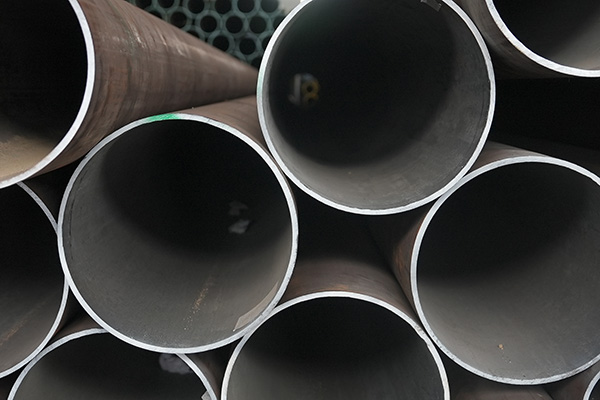
Seamless steel pipes serve as indispensable core components for high-temperature and high-pressure industrial piping systems. They are extensively applied in power station operation, petroleum refining, petrochemical production, boiler supporting equipment and heat exchange systems. Compared with conventional welded steel pipes, seamless pipes feature integral one-piece forming structure, delivering outstanding mechanical strength, structural uniformity and operational stability under extreme working conditions. Mastering their material characteristics, manufacturing technology and high-temperature performance limits is the key scientific basis for industrial pipeline type selection.
Unique Advantages of Seamless Pipes for High-Temperature Scenarios
Industrial high-temperature pipelines face comprehensive challenges including alternating thermal stress, fluctuating internal pressure and medium corrosion. Welded pipes have inherent structural weak points at welding seams, which are prone to cracking and leakage under long-term high-temperature operation. In contrast, seamless steel pipes adopt integral forming without any weld joints, completely eliminating structural vulnerabilities. Their core strengths cover uniform overall mechanical properties, excellent pressure and thermal stress resistance, zero weld cracking risk, and stable adaptability to repeated heating and cooling cycles, making them the preferred safe piping solution for critical industrial systems.
High-Temperature Resistant Steel Grade Classification
Different service temperature and pressure environments require matched steel pipe materials. Industrial mainstream high-temperature seamless steel pipes are divided into three categories with differentiated performance attributes: Carbon Steel: Represented by ASTM A106 Gr.B, it is suitable for medium and low-temperature high-pressure pipeline systems, featuring stable performance and high cost performance. Alloy Steel: Including P11, P22, P91 and other grades, optimized for ultra-high temperature and heavy-pressure working conditions. With excellent high-temperature creep resistance, it is the primary material for power generation and petrochemical core pipelines. Stainless Steel: Covering 304, 316 and 321 grades, it boasts superior high-temperature oxidation resistance and chemical corrosion resistance, adapting to complex corrosive high-temperature environments.
Manufacturing Technology and Strict Quality Control
High-quality seamless steel pipes are mainly produced by mature hot rolling and precision cold drawing processes. The standardized production flow includes solid steel billet heating, high-precision piercing forming, continuous rolling and diameter sizing, professional heat treatment for performance optimization, pipe body straightening and surface finishing. To ensure full structural reliability, all finished pipes undergo strict full-process quality inspection, including ultrasonic non-destructive testing, hydrostatic pressure tightness testing and dimensional accuracy calibration, eliminating potential internal defects and dimensional errors.
Core High-Temperature Performance Indicators
Qualified high-temperature seamless steel pipes need to maintain stable comprehensive performance in long-term high-temperature service. Key performance indicators include sustained high-temperature mechanical strength, excellent anti-creep deformation capability, effective high-temperature oxidation and anti-scaling properties, and long-term dimensional stability. In particular, alloy steel seamless pipes can operate stably for a long time in ultra-high temperature environments above 500°C, fully meeting the extreme operating demands of power plants and oil refining equipment.
Wide Industrial Application Scenarios
With reliable high-temperature and pressure resistance, seamless steel pipes are widely used in multiple core industrial fields: boiler steam delivery pipelines, petrochemical cracking device piping, power plant superheater and reheater systems, industrial heat exchange pipeline networks, and thermal processing furnace supporting piping. These key industrial systems rely on the durable and stable performance of seamless pipes to guarantee continuous and safe production operation.
Key Technical Points for Pipe Selection
To achieve safe and cost-effective long-term operation, enterprises need to comprehensively consider multiple factors when selecting high-temperature seamless steel pipes: actual operating temperature and pressure range, corrosiveness of conveying media, preset equipment service life, industry implementation standards (ASTM, ASME, EN), and matching pipe wall thickness and pressure grade. Scientific type selection can effectively avoid safety hazards and reduce comprehensive operational costs.
Our Factory Professional Seamless Pipe Solutions
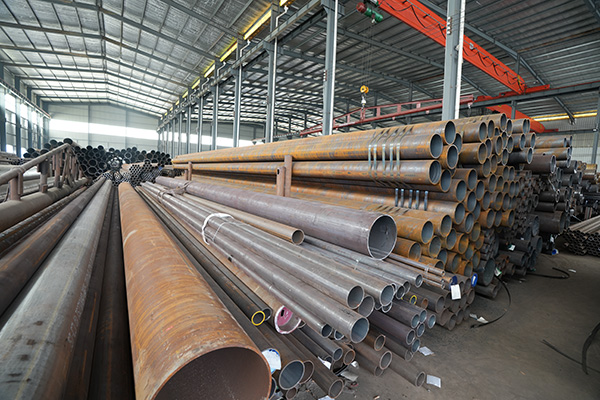
We are a professional manufacturer focusing on high-temperature and high-pressure resistant seamless steel pipes. Our product lineup covers complete specifications of carbon steel, alloy steel and stainless steel pipes, all fully compliant with ASTM, ASME and EN international industrial standards. Equipped with advanced hot rolling and cold drawing production lines, we implement full-process inspection including ultrasonic flaw detection and hydrostatic testing. We support customized production of non-standard pipe sizes, wall thicknesses and lengths, providing tailored, durable and cost-effective piping solutions for power, petrochemical and various industrial pipeline projects.
Conclusion
High-temperature seamless steel pipes are essential basic materials for modern high-temperature industrial systems. Benefiting from integral seamless structure, excellent high-temperature resistance and stable mechanical performance, they ensure the safety and efficiency of critical industrial piping operation. Reasonable material selection and cooperation with professional and standardized manufacturers are crucial prerequisites for long-term stable operation of industrial equipment. We provide one-stop customized products and professional technical support for various high-temperature pipeline engineering projects.
References
GB/T 7714:Corrosion and oxidation resistance of carbon and stainless steel tubes for high-temperature boiler service. Corrosion Science
MLA:Material selection criteria for high-pressure and high-temperature industrial piping systems. International Journal of Pressure Vessels and Piping
APA:Thermal stress fatigue failure analysis of seamless steel tubes in petrochemical high-temperature units.Engineering Failure Analysis