

When designing industrial pipelines, material selection is one of the most critical decisions engineers make. Seamless steel line pipes have consistently proven to deliver unmatched reliability, corrosion resistance, and long-term performance, making them a cornerstone in applications ranging from oil and gas transport to high-pressure industrial systems.

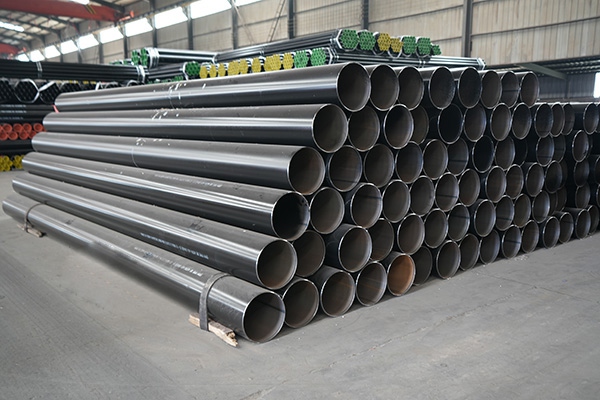
1. Understanding Seamless Steel Line Pipes
Unlike welded or fabricated pipes, seamless steel line pipes are manufactured from a single billet without joints or seams. This unique construction eliminates potential weak points that could compromise pipeline integrity under high pressure. For engineers, the seamless structure ensures uniform mechanical properties along the entire length of the pipe, providing predictable and reliable performance even in demanding conditions. Keywords naturally included: seamless steel line pipes, pipeline integrity, high-pressure systems.
2. Corrosion Resistance: A Key Advantage
One of the defining features of high-quality seamless steel line pipes is their superior corrosion resistance. These pipes are often produced from alloy steels or carbon steels that meet international material standards and are treated with advanced anti-corrosion coatings. This dual approach—high-grade material selection and protective surface treatment—ensures that pipelines resist rust, chemical attack, and environmental degradation. Corrosion-resistant pipes are particularly crucial in applications like chemical plants, offshore oil rigs, and water treatment facilities.
3. Mechanical Strength and Long-Term Reliability
Seamless steel line pipes are designed to withstand significant mechanical stress. The absence of welds or joints allows the pipe to maintain high tensile and yield strength, reducing the risk of deformation or failure under heavy loads. For engineers and project managers, this translates into long-term reliability, lower maintenance costs, and extended service life. In high-pressure pipelines, even minor deformations can lead to operational hazards, making the choice of seamless steel critical.
4. Ideal Applications for Seamless Steel Line Pipes
Seamless steel line pipes are versatile and used across a broad range of industries. Common applications include:
·Oil and gas transport: Handling high-pressure crude oil or natural gas safely.
·Water and sewage systems: Ensuring durability in municipal infrastructure.
·Petrochemical and chemical plants: Withstanding corrosive chemicals without degradation.
·Power generation facilities: Supporting high-pressure steam and cooling water lines.
In each case, the seamless design ensures consistent performance and minimizes downtime.
5. Choosing the Right Material and Specifications
Selecting the right seamless steel line pipe involves careful consideration of material grade, wall thickness, and diameter. Engineers must match these specifications to operational pressure, temperature range, and environmental conditions. Surface treatments such as galvanization, epoxy coating, or other anti-corrosion methods further enhance performance, extending the pipe’s lifecycle. A thorough understanding of ASTM or API standards helps ensure compliance and reliability.
6. Maintenance and Inspection Practices
Even the highest-quality seamless steel line pipes benefit from routine inspection and maintenance. Non-destructive testing (NDT) methods such as ultrasonic testing, radiography, and hydrostatic pressure tests allow early detection of potential issues before they impact operations. Implementing a proactive maintenance program ensures that pipelines maintain long-term performance and safety.
7. Conclusio: Reliability and Performance You Can Trust
In conclusion, seamless steel line pipes combine superior corrosion resistance, mechanical strength, and long-term reliability, making them essential for modern industrial applications. Their seamless construction eliminates weak points, ensuring safe operation under high pressure and harsh environments. For engineers and project managers, investing in quality seamless steel line pipes guarantees operational efficiency, regulatory compliance, and minimal maintenance costs over time.
Whether in petrochemical plants, oil and gas transport, or municipal water systems, seamless steel line pipes remain the trusted choice for performance, safety, and reliability.
References
GB/T 7714:Corrosion behavior study and failure time analysis of X65 pipeline steel in near‑neutral soil. Scientific Reports
MLA:Corrosion protection of steel pipelines with metal‑polymer composite barrier liners. (2020). Journal of Natural Gas Science and Engineering
APA:nvestigation of corrosion effects on the performance of underground steel pipelines under blast loading and a solution for retrofitting. (2025). International Journal of Pressure Vessels and Piping