

Gas pipelines operating in frigid environments necessitate specialized materials capable of preserving their strength and toughness under extremely low temperatures. Low temperature pipes designed for gas pipeline systems play a vital role in safeguarding the safe and stable transportation of natural gas, liquefied natural gas (LNG), and other cryogenic media. In the following sections, we will delve into the materials and international standards associated with these pipes, their practical applications, and also present the high-quality low temperature pipes offered by our manufacturing facility.
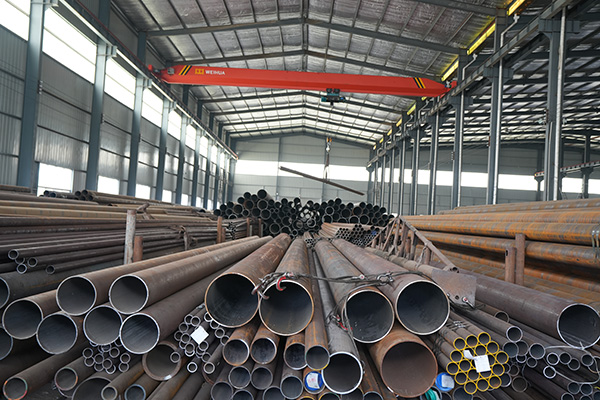
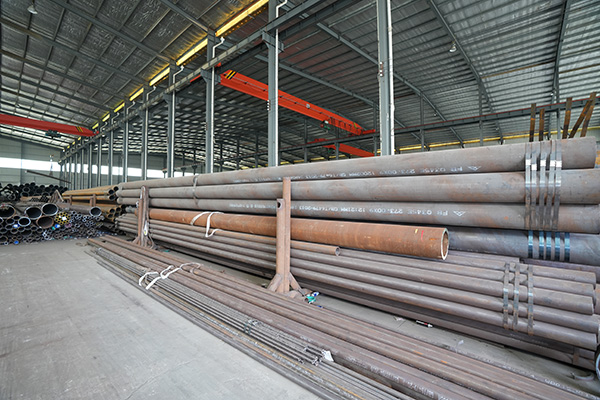
What Is a Low Temperature Pipe for Gas Pipeline?
A low temperature pipe refers to a specialized type of steel pipe engineered specifically for operation in environments where temperatures drop far below the freezing point. In contrast to standard carbon steel pipes, low temperature pipes are designed to prevent brittle fracture, cracking, and structural breakdown caused by extreme cold conditions. These pipes are extensively applied in the following scenarios:
·Natural gas transmission pipelines
·LNG transportation systems
·Cryogenic storage and processing facilities
·Petrochemical plants located in cold regions
Their exceptional impact toughness and mechanical strength ensure steady and reliable performance in high-demand pipeline systems.
Recommended Low Temperature Pipe Products from Our Factory
As a professional manufacturer and exporter of steel pipes, our factory provides a diverse range of low temperature pipes tailored for gas pipeline projects across the globe. Our products adhere to major international standards and are widely utilized in the energy and petrochemical sectors.
Our Main Low Temperature Pipe Products
We offer the following products for low temperature gas pipeline applications:
1. ASTM A333 Low Temperature Seamless Steel Pipe
·Grades: Gr.1, Gr.3, Gr.6, Gr.8
·Manufacturing process: Seamless / hot rolled / cold drawn
·Size range: 1/2" – 24"
·Application: Natural gas pipelines, LNG projects, cryogenic systems
2. API 5L Pipeline Steel Pipe
·Grades: B, X42, X52, X60, X65
·Types: Seamless and welded
·Standard: API 5L PSL1 / PSL2
·Application: Long-distance gas transmission pipelines
3. Low Temperature Alloy Steel Pipes
·Nickel alloy steel for extremely low temperature environments
·Excellent impact resistance
·Used in LNG terminals and offshore gas facilities
Our Factory Advantages
Opting for our products comes with several key advantages:
·Strict adherence to ASTM, API, and ASME standards
·Advanced production equipment and quality inspection systems
·Comprehensive impact testing and non-destructive testing
·Stable supply capacity for large-scale pipeline projects
·Rich export experience covering Europe, the Middle East, Southeast Asia, and South America
If you are in need of reliable low temperature pipes for gas pipeline construction, our factory can deliver professional solutions and competitive pricing.
Key Materials Used in Low Temperature Pipes
Selecting the appropriate material is crucial for low temperature pipeline systems. Below are the main materials used:
Low Temperature Carbon Steel
Low temperature carbon steel pipes are the most commonly used type in gas pipelines, offering an optimal balance of strength, toughness, and cost-effectiveness. Typical grades include:
·ASTM A333 Grade 6
·ASTM A420 WPL6 (for fittings)
These materials are widely employed in natural gas pipelines and cryogenic piping systems.
Nickel Alloy Steel
Nickel alloy steels deliver superior performance in extremely cold environments, as the nickel content enhances low temperature toughness and fracture resistance. Common grades include:
·ASTM A333 Grade 3
·ASTM A333 Grade 8
These pipes are frequently used in LNG processing plants and offshore gas infrastructure.
Stainless Steel
Austenitic stainless steels retain excellent ductility even at cryogenic temperatures. Typical grades include:
·304 / 304L
·316 / 316L
They are commonly utilized in chemical processing plants and high-purity gas systems.
Important Standards for Low Temperature Gas Pipeline Pipes
To ensure safety and performance, low temperature pipes must comply with internationally recognized standards. The key standards are as follows:
ASTM A333
ASTM A333 specifies requirements for seamless and welded steel pipes intended for low temperature service. Key requirements include:
·Low temperature impact testing
·Strict limits on chemical composition
·High toughness under cold conditions
This standard is widely adopted in natural gas and LNG pipeline infrastructure.
API 5L Pipeline Standard
API 5L defines the requirements for pipes used in oil and gas transportation systems. Important features include:
·High strength grades for pipeline construction
·Strict requirements for mechanical properties
·Quality control measures for large-scale pipeline projects
ASME Piping Codes
ASME codes govern the design and safety of piping systems in industrial facilities. Relevant standards include:
·ASME B31.3 – Process piping
·ASME B31.8 – Gas transmission pipelines
These codes ensure that pipeline systems operate safely under demanding conditions.
Manufacturing Process of Low Temperature Pipes
Seamless Steel Pipe Production
Seamless pipes are widely used in critical gas pipeline systems due to their:
·Uniform structure
·High pressure resistance
·Superior reliability
They are typically produced through hot rolling or cold drawing processes.
Welded Steel Pipe Production
For large-diameter gas pipelines, welded pipes are also widely used. Common welding methods include:
·ERW (Electric Resistance Welding)
·SAW (Submerged Arc Welding)
Strict non-destructive testing and impact testing are conducted to ensure weld integrity.
Applications of Low Temperature Pipes
Low temperature pipes are indispensable in several key industries:
Natural Gas Pipeline Systems
Gas pipelines often traverse cold regions or harsh climates, requiring pipes that can maintain their strength at low temperatures.
LNG Infrastructure
Liquefied natural gas is transported at temperatures around -162°C, which demands specialized low temperature pipes for safe handling.
Petrochemical Plants
Cryogenic processes in petrochemical facilities require pipes with high impact resistance and excellent toughness.
Why Choose Our Factory for Low Temperature Pipes?
With years of experience in the steel pipe industry, our factory provides reliable pipeline solutions for global energy projects. We offer:
·High-quality low temperature seamless and welded pipes
·Complete certification and inspection reports
·Flexible customization based on project requirements
·Competitive prices for international buyers
Our products are trusted by contractors and distributors engaged in gas pipeline, LNG, and petrochemical projects worldwide.
Get a Quote for Low Temperature Pipes
If you are sourcing low temperature pipes for gas pipeline projects, our team is ready to assist you. Contact us today to receive:
·Product specifications
·Competitive quotations
·Technical support for your pipeline project
We look forward to becoming your reliable steel pipe supplier for global energy infrastructure projects.
References
GB/T 7714: Development of Nickel Alloy Composite Pipes for Deep-Sea Low-Temperature Gas Transportation. Journal of Petrochemical Engineering
MLA: Weldability of 9Ni Steel for Cryogenic LNG Storage and Pipeline Systems. Cryogenics
APA:ASTM A333/A333M-23: Standard Specification for Seamless and Welded Steel Pipe for Low-Temperature Service. ASTM International, West Conshohocken