

Corrosion-Resistant Pipeline Solutions for the Chemical Industry
Chemical processing plants face an adversary that never rests: corrosive media attacking pipeline materials from the inside and environmental factors corroding exteriors. A leaking pipe containing sulfuric acid or chlorinated hydrocarbons creates hazards far beyond the immediate product loss. Engineering teams tackling these challenges must consider material selection, external protection, operational controls, and inspection regimes as a unified system, not a checklist of independent choices.
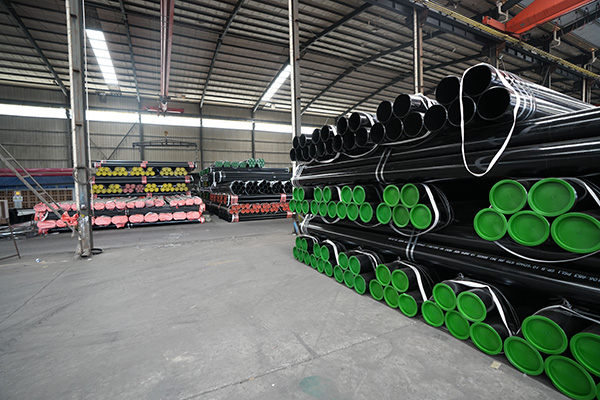
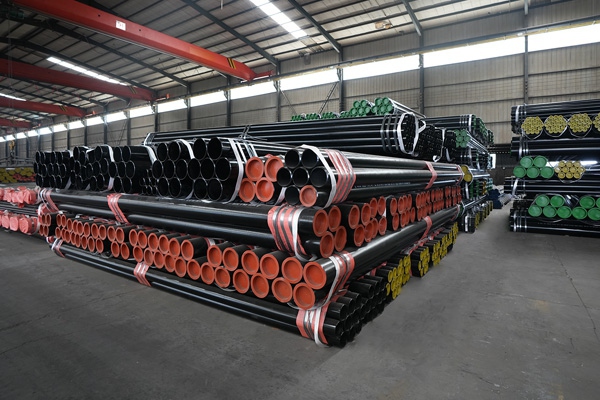
Material Selection: Matching Steel Grade to the Service Environment
The foundation of any corrosion-resistant pipeline system is correct material selection. Carbon steel offers adequate service life in dry hydrocarbon streams and certain alkaline environments but fails rapidly in acidic or chloride-containing media. When selecting materials for aggressive chemical service, engineers consult corrosion data handbooks and, when necessary, conduct coupon exposure tests in actual process conditions to confirm performance predictions.
Stainless steel alloys extend service life significantly in oxidizing environments. Type 316L stainless steel contains 2-3% molybdenum, which dramatically improves resistance to pitting and crevice corrosion in chloride-bearing solutions compared to standard 304 grades. For highly aggressive conditions involving hydrochloric acid or concentrated chlorides, superaustenitic alloys such as 904L or duplex stainless steels offer superior performance through their elevated chromium, nickel, and molybdenum content. ASTM A312 Grade TP316L governs seamless and welded pipe in sizes from small bore to large diameter for chemical service.
Alloy steel piping such as ASTM A335 P11 (2.25% chromium, 1% molybdenum) and P22 (2.25% chromium, 1% molybdenum) handles elevated temperatures where carbon steel loses strength and corrodes faster. For hydrofluoric acid service,alloy 400 provides excellent resistance, though the cost premium demands careful project justification. The steel pipe supplier should provide full chemical composition data and reference documented performance in comparable applications.
Coating Systems: First Line of External Defense
External corrosion threats demand barrier coatings applied before installation. Fusion Bonded Epoxy coatings, commonly called FBE, cure on the pipe surface as a thermoset powder coating, forming a smooth, adherent film typically 300-500 micrometers thick. FBE provides excellent adhesion, chemical resistance, and cathodic disbondment resistance, making it the standard choice for buried and submerged pipeline sections in chemical plant environments. A three-layer polyethylene or polypropylene coating applied over FBE primer provides mechanical protection against impact and abrasion during handling and backfilling.
For high-temperature service above 85 °C, phenolic coating systems replace standard FBE. Internal linings using glass-reinforced epoxy or cement mortar protect pipe bores from abrasive or corrosive process fluids, though these options reduce the effective flow diameter and require careful calculation of pressure drop implications during the design phase.
Design Considerations for Corrosive Service
Intelligent pipeline design minimizes corrosion risks that materials alone cannot overcome. Crevices between pipe and fittings trap stagnant fluid and accelerate localized attack, so designers specify welded joints rather than threaded connections wherever possible. Proper drainage and venting prevent liquid accumulation in low points during shutdown periods. Thermal insulation that absorbs and retains moisture causes external corrosion to develop under the insulation blanket, so designers specify moisture-resistant insulation jacketing or vapor barriers to break the moisture-metal contact.
Stress corrosion cracking occurs when tensile stress, corrosive environment, and susceptible material coincide. Designers reduce residual stress by specifying heat-treated pipe and controlling weld procedures. Operating temperatures above the threshold for chloride-induced stress corrosion cracking in austenitic stainless steel, typically around 60 °C in chloride-bearing environments, require careful material upgrading or process chemistry modification.
Inspection and Maintenance Practices
No coating or material selection eliminates the need for ongoing inspection. In-line inspection tools known as intelligent pigs detect wall thickness reductions, coating defects, and geometric anomalies without shutting down the pipeline. For plant piping where pigging access may be limited, ultrasonic thickness gauging during scheduled shutdowns provides reliable wall loss data at identified corrosion risk locations. Installing coupon holder tees in the pipeline allows insertion of metal coupons that can be removed, weighed, and examined to quantify actual corrosion rates against design predictions.
Maintenance crews should address coating damage immediately upon discovery, applying field-repair kits compatible with the original coating system. Cathodic protection systems supplement coating protection for buried pipelines, using impressed current or sacrificial anodes to shift the pipe metal potential to a range where corrosion stops. Regular monitoring of protective potentials confirms the system functions correctly.
Chemical plant operators who invest in thoughtful material selection, appropriate coatings, sound design practices, and disciplined inspection programs achieve reliable pipeline service life that justifies the initial cost premium many times over.
References
Schweitzer, P.A., Corrosion Engineering Handbook: Fundamentals of Metallic Corrosion for Engineers, 3rd Edition, CRC Press, 2019.
ASM International, ASM Handbook Volume 13A: Corrosion: Fundamentals, Testing, and Protection, ASM International, 2003.
ASTM International, ASTM A312/A312M: Standard Specification for Seamless, Welded, and Heavy Cold Worked Austenitic Stainless Steel Pipe, ASTM International, 2022.
NACE International, NACE SP0188: Discontinuity (Holiday) Testing of Protective Coatings, NACE International, 2017.