

Why Alloy Line Pipe Deserves Special Attention
When engineers evaluate pipeline materials, alloy line pipe is often discussed alongside carbon steel pipe. At first glance, they may appear similar. However, once operating conditions become more demanding, the differences become impossible to ignore.
So what truly separates alloy line pipe from carbon steel pipe? The answer lies in material composition, mechanical behavior, environmental resistance, and long-term reliability under real-world conditions.
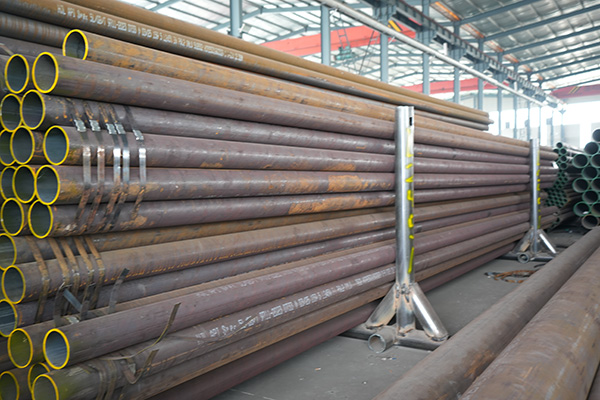
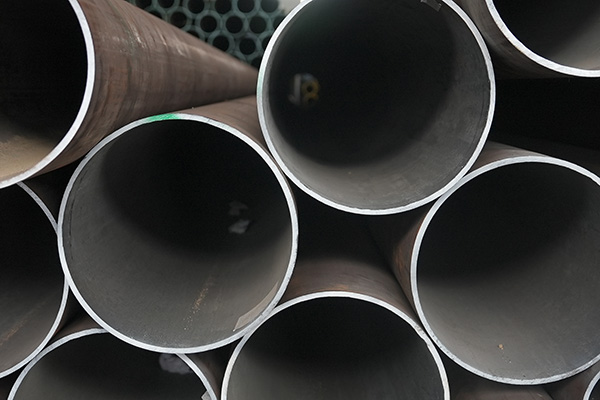
Material Composition: Where the Difference Begins
What is the core distinction between alloy line pipe and carbon steel pipe?
The answer is simple: alloying elements.
Carbon steel pipe relies primarily on carbon content for strength. In contrast, alloy line pipe incorporates carefully controlled elements such as manganese, chromium, molybdenum, or nickel. These elements significantly enhance performance without compromising weldability.
Under standards such as API 5L, alloy grades like X46N are designed to achieve consistent strength, toughness, and structural stability across large-scale production.
Mechanical Strength and Load Resistance
Does higher alloy content really improve strength?
Absolutely—and measurably so.
Alloy line pipe demonstrates superior yield strength, tensile strength, and resistance to deformation compared to conventional carbon steel pipe. This makes it particularly suitable for pipelines exposed to high internal pressure or fluctuating loads.
API 5L X46N material grades are engineered to maintain stable mechanical properties even when operating conditions vary, reducing the risk of fatigue-related failures over time.
Performance in Harsh Environments
Can carbon steel pipe handle extreme environments?
Only to a limited extent.
Alloy line pipe excels in environments where temperature variation, corrosion exposure, or pressure cycling is unavoidable. The alloy composition enhances resistance to cracking, oxidation, and localized corrosion, especially in long-distance transmission systems.
For pipelines operating in complex terrains or challenging climates, alloy line pipe provides a safety margin that carbon steel pipe simply cannot match.
Consistency in Manufacturing and Production
Is performance only about material choice?
Not at all—production quality matters.
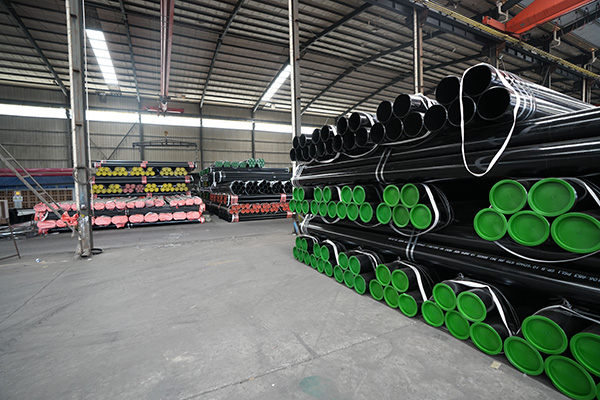
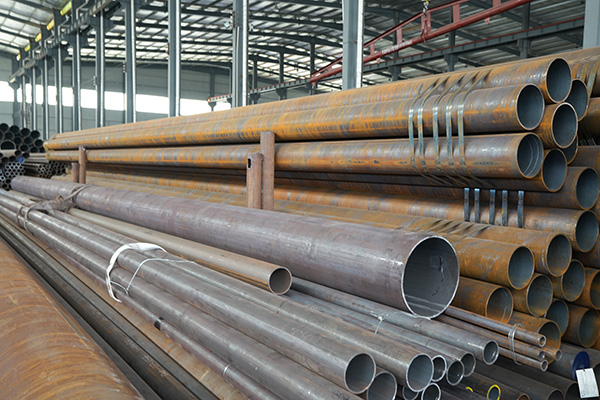
Alloy line pipe is typically produced under tighter metallurgical control, ensuring uniform chemical composition and mechanical properties across each batch. This consistency is essential for projects that require predictable performance over thousands of meters of pipeline.
From a manufacturer perspective, controlled production processes allow alloy line pipe to meet strict dimensional tolerances while supporting stable mass supply for large infrastructure projects.
Weldability and Installation Efficiency
Does higher strength mean harder welding?
Surprisingly, no.
Modern alloy line pipe designed under API 5L standards balances strength with weldability. Grades such as X46N are optimized to minimize welding defects while maintaining structural integrity after installation.
Compared to carbon steel pipe, alloy line pipe often results in fewer weld-related issues, reducing rework and improving overall installation efficiency.
Lifecycle Cost and Long-Term Value
Is alloy line pipe more expensive upfront?
Sometimes—but that’s only part of the story.
While initial material costs may be higher, alloy line pipe typically offers lower total lifecycle cost. Enhanced durability, reduced maintenance requirements, and extended service life all contribute to better long-term value.
For large-scale pipeline systems, fewer repairs and longer inspection intervals translate into significant operational savings.
Why Standards Like API 5L X46N Matter
Do standards really make a difference?
They make all the difference.
API 5L ensures that alloy line pipe meets strict requirements for chemical composition, mechanical performance, and testing. The X46N grade, in particular, reflects a balance between strength, toughness, and reliability suitable for critical pipeline applications.
Adherence to recognized standards provides confidence not only in product performance but also in supply consistency across large production volumes.
Carbon Steel Pipe vs Alloy Line Pipe: A Practical Comparison
So which one should you choose?
·Carbon steel pipe may be suitable for low-stress, non-critical applications.
·Alloy line pipe is the preferred solution where pressure, environment, and long-term reliability cannot be compromised.
The decision ultimately depends on operating conditions, safety requirements, and expected service life.
Conclusion: Why Alloy Line Pipe Stands Apart
The difference between alloy line pipe and carbon steel pipe is not theoretical—it is proven through performance, durability, and engineering reliability.
With enhanced material composition, stable production quality, compliance with API 5L X46N standards, and suitability for mass supply, alloy line pipe represents a smarter choice for modern pipeline systems.
For projects where safety, efficiency, and long-term value matter, alloy line pipe is not just an alternative—it is the standard.
References
GB/T 7714:Silman H. Corrosion and Corrosion Control: An introduction to corrosion science and engineering[J]. 1972.
MLA:Silman, H. "Corrosion and Corrosion Control: An introduction to corrosion science and engineering." (1972): 98-98.
APA:Silman, H. (1972). Corrosion and Corrosion Control: An introduction to corrosion science and engineering.