

What Is LNG Pipeline Alloy Pipe and Why API 5L X56 Is Used
As global energy infrastructure continues to expand, liquefied natural gas (LNG) projects place increasingly strict demands on pipeline materials. LNG pipeline alloy pipe has become a critical component in these systems due to its ability to maintain strength and toughness under low-temperature and high-pressure conditions.
For large-scale LNG developments, reliable production capacity and stable bulk supply from experienced manufacturers are just as important as material performance. This is where API 5L X56 plays a key role.
1. Understanding LNG Pipeline Alloy Pipe
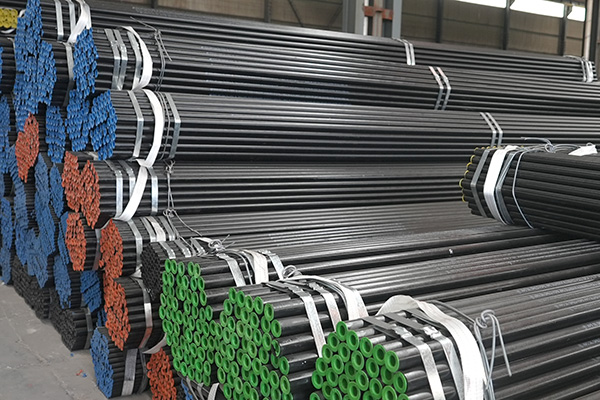
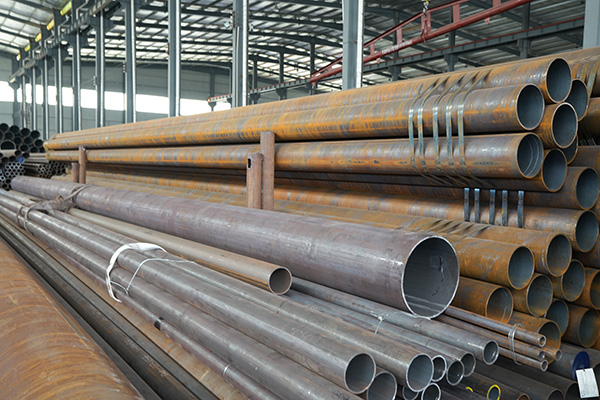
LNG pipeline alloy pipe is a type of alloy steel pipe specifically engineered for the transportation of liquefied natural gas. LNG is typically handled at cryogenic temperatures, which can significantly reduce the toughness of conventional steels.
By optimizing alloy composition and heat treatment, LNG pipeline alloy pipe provides enhanced resistance to brittle fracture while maintaining adequate strength for long-distance pipeline systems. These properties make it suitable for onshore and offshore LNG applications.
2. Why API 5L Standards Matter
API 5L is one of the most widely recognized standards for line pipe used in oil and gas transportation systems. It defines requirements for chemical composition, mechanical properties, testing, and dimensional tolerances.
For LNG pipeline alloy pipe, compliance with API 5L ensures consistency across production batches and compatibility with global engineering specifications. This standardization is essential for large projects involving multiple contractors and long-term operation.
3. Why API 5L X56 Is Widely Used
API 5L X56 offers a balanced combination of strength, toughness, and weldability. The grade designation indicates a minimum yield strength that supports high internal pressures while maintaining sufficient ductility.
In LNG pipeline alloy pipe applications, X56 is often selected because it provides reliable low-temperature performance without excessive alloying. This balance allows manufacturers to achieve consistent results during mass production and supports efficient bulk supply.
4. Key Material Properties
Several material characteristics make API 5L X56 suitable for LNG pipeline alloy pipe:
·Stable Yield Strength: Supports internal pressure loads in LNG pipelines
·Improved Low-Temperature Toughness: Reduces risk of brittle fracture
·Good Weldability: Simplifies field welding and reduces defect risks
·Uniform Microstructure: Achieved through controlled rolling and heat treatment
These properties are the result of precise production control rather than raw material selection alone.
5. Manufacturing and Production Process
The production of LNG pipeline alloy pipe typically begins with high-quality steel billets. These billets undergo seamless forming processes to achieve uniform wall thickness and consistent mechanical behavior.
Controlled rolling, heat treatment, and non-destructive testing are essential stages. Professional manufacturers invest heavily in automated production lines to maintain dimensional accuracy and mechanical stability across large volumes.
For LNG projects that require thousands of meters of pipe, stable bulk production ensures consistency throughout the entire pipeline system.
6. Performance in Low-Temperature LNG Service
LNG pipelines are exposed to both thermal stress and pressure fluctuations. At low temperatures, steel becomes more susceptible to crack initiation if not properly engineered.
API 5L X56 LNG pipeline alloy pipe is designed to absorb impact energy rather than fail suddenly. This characteristic is particularly important during startup, shutdown, and emergency conditions where temperature changes can be rapid.
7. Typical Applications of LNG Pipeline Alloy Pipe
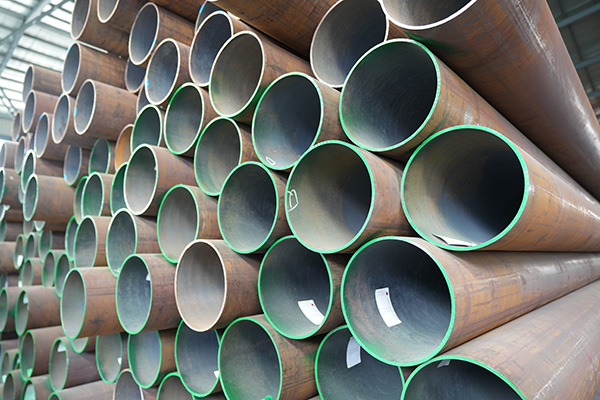
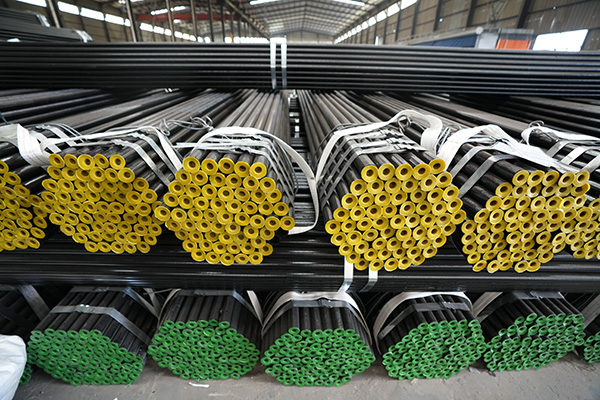
LNG pipeline alloy pipe is commonly used in:
·LNG transmission pipelines
·LNG receiving and export terminals
·Cryogenic gas processing facilities
·Offshore LNG platforms
In each case, material reliability directly affects operational safety and project lifespan.
8. Quality Control and Testing
Before delivery, LNG pipeline alloy pipe undergoes extensive inspection and testing. These typically include chemical analysis, tensile testing, impact testing at low temperatures, and dimensional verification.
Manufacturers with mature production systems provide full documentation and traceability, ensuring that every pipe can be linked back to its production batch. This level of control is essential for regulatory approval and long-term asset management.
9. Advantages of Bulk Supply From a Manufacturer
Sourcing LNG pipeline alloy pipe directly from a manufacturer with bulk supply capability offers several benefits. Uniform production batches reduce variability, while centralized quality control improves overall pipeline reliability.
Bulk supply also shortens lead times and simplifies logistics planning, which is especially valuable for large LNG infrastructure projects operating on strict schedules.
10. Conclusion
LNG pipeline alloy pipe is a critical material for modern LNG infrastructure, where low-temperature performance and pressure resistance are non-negotiable. API 5L X56 has become a preferred grade because it delivers a practical balance of strength, toughness, and manufacturability.
Through advanced production processes and stable bulk supply, experienced manufacturers can deliver LNG pipeline alloy pipe that meets demanding project requirements. Selecting the right grade and sourcing from a capable producer is essential for long-term safety, efficiency, and operational success.
References
GB/T 7714:Wallin K. Fracture toughness of engineering materials: Estimation and application[M]. EMAS publishing, 2011.
MLA:Wallin, Kim. Fracture toughness of engineering materials: Estimation and application. EMAS publishing, 2011.
APA:Wallin, K. (2011). Fracture toughness of engineering materials: Estimation and application. EMAS publishing.