

What Is Cryogenic Alloy Pipe and Why API 5L X52Q Matters
In industries where materials must perform reliably under extremely low temperatures, cryogenic alloy pipe plays a critical role. From LNG transportation to cryogenic processing systems, these pipes are engineered to maintain strength, toughness, and structural stability when exposed to temperatures far below freezing.
Unlike conventional pipeline materials, cryogenic alloy pipe is designed through controlled production processes by experienced manufacturers that can support consistent quality and bulk supply requirements for large-scale projects.
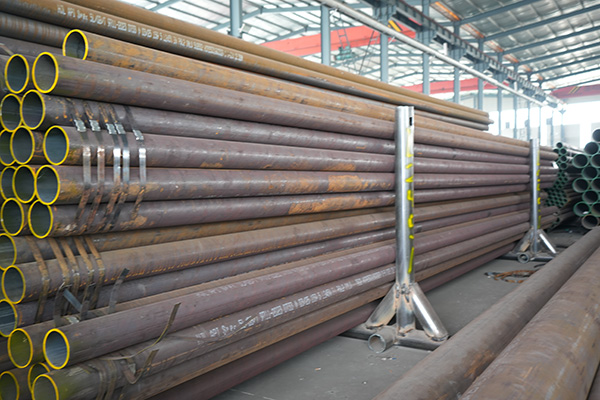
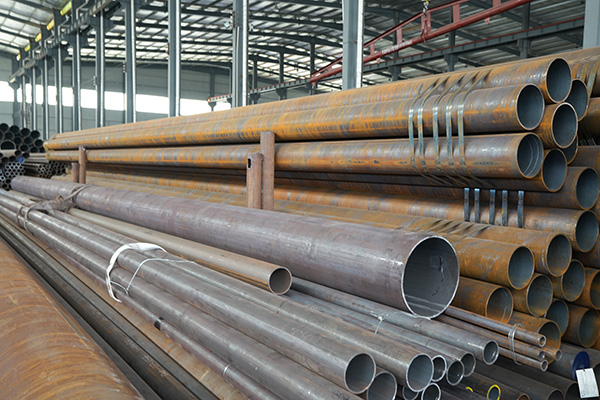
1. Understanding Cryogenic Alloy Pipe
Cryogenic alloy pipe refers to alloy steel piping specifically engineered for service in low-temperature environments, typically below –46°C. At these temperatures, ordinary carbon steel can become brittle and prone to sudden fracture.
By carefully controlling alloy content, heat treatment, and manufacturing methods, cryogenic alloy pipe maintains ductility and impact resistance. This makes it suitable for applications involving liquefied gases such as LNG, ethylene, and other cryogenic media.
2. Why API 5L X52Q Is Important
API 5L X52Q is a pipeline steel grade widely used in low-temperature and high-reliability applications. The “Q” designation indicates quenched and tempered delivery conditions, which significantly improve low-temperature toughness.
For cryogenic alloy pipe, API 5L X52Q offers an optimal balance between strength and fracture resistance. It provides stable mechanical performance while meeting strict industry requirements for impact testing and chemical composition.
3. Key Material Characteristics
The performance of cryogenic alloy pipe depends on several critical material properties:
·High Impact Toughness: Prevents brittle fracture at cryogenic temperatures
·Controlled Chemical Composition: Enhances low-temperature ductility
·Stable Yield Strength: Ensures reliable pressure resistance
·Uniform Microstructure: Achieved through precise heat treatment
These characteristics are the result of disciplined production control by qualified manufacturers with experience in low-temperature steel grades.
4. Manufacturing and Production Process
The manufacturing process of cryogenic alloy pipe begins with carefully selected steel billets. These billets are heated and formed through seamless rolling or piercing processes to create pipes with uniform wall thickness.
Heat treatment plays a decisive role. Quenching and tempering refine the internal grain structure, improving toughness without sacrificing strength. Advanced production lines allow manufacturers to maintain tight dimensional tolerances and consistent mechanical properties, even for bulk supply orders.
Each stage of production is monitored to ensure compliance with API 5L requirements and low-temperature performance standards.
5. Performance at Cryogenic Temperatures
One of the defining features of cryogenic alloy pipe is its ability to resist brittle failure under thermal shock. At extremely low temperatures, thermal contraction and pressure fluctuations can generate significant stress within the pipe wall.
API 5L X52Q cryogenic alloy pipe is engineered to absorb energy rather than crack, even during sudden temperature changes. This behavior is essential for LNG pipelines and storage systems where safety margins must remain high.
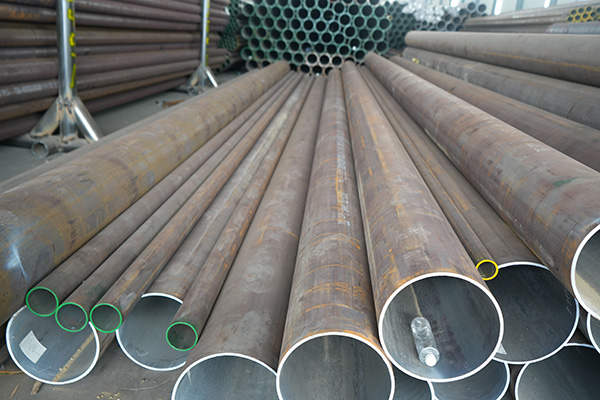
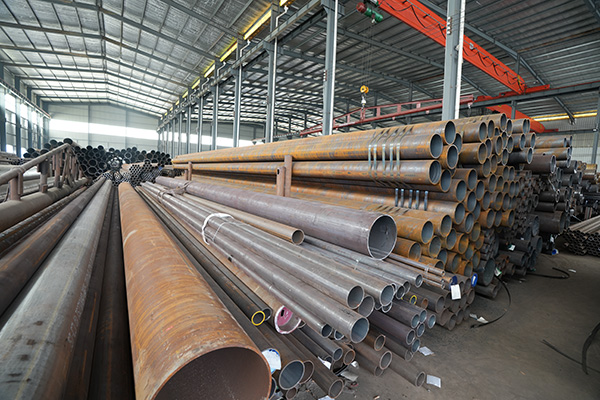
6. Typical Applications
Cryogenic alloy pipe is widely used in sectors where low-temperature reliability is non-negotiable:
·LNG pipelines and terminals
·Cryogenic storage and transfer systems
·Gas processing and separation plants
·Industrial refrigeration systems
In these environments, material failure can result in severe safety and economic consequences, making proper material selection critical.
7. Quality Control and Testing
Before delivery, cryogenic alloy pipe undergoes a series of inspections and tests. These include chemical analysis, tensile testing, impact testing at low temperatures, and dimensional inspection.
Reputable manufacturers also provide full traceability documentation, ensuring that every pipe can be linked back to its production batch. This level of quality control is especially important for projects requiring long-term reliability and regulatory compliance.
8. Advantages of Bulk Supply from a Manufacturer
For large infrastructure projects, sourcing cryogenic alloy pipe directly from a manufacturer with bulk production capacity offers clear advantages. Consistent production batches reduce variability, while centralized quality control ensures uniform performance across the entire pipeline system.
Bulk supply also simplifies logistics planning and reduces lead times, which is crucial for time-sensitive LNG and energy projects.
9. Installation and Service Considerations
Proper handling and installation are essential to preserve the performance of cryogenic alloy pipe. Care must be taken to avoid surface damage, improper welding procedures, or exposure to unsuitable environments before commissioning.
When installed and maintained correctly, API 5L X52Q cryogenic alloy pipe delivers long service life with minimal maintenance requirements.
10. Conclusion
Cryogenic alloy pipe is a specialized material designed to perform safely and reliably in extreme low-temperature environments. API 5L X52Q stands out as a proven grade that combines strength, toughness, and stability under cryogenic conditions.
Through controlled production, advanced heat treatment, and strict quality management, experienced manufacturers can deliver cryogenic alloy pipe in bulk quantities that meet demanding industrial standards. For LNG and cryogenic systems, choosing the right material is not just a technical decision—it is a critical investment in long-term safety and performance.
References
GB/T 7714:Wallin K. Fracture toughness of engineering materials: Estimation and application[M]. EMAS publishing, 2011.
MLA:Wallin, Kim. Fracture toughness of engineering materials: Estimation and application. EMAS publishing, 2011.
APA:Wallin, K. (2011). Fracture toughness of engineering materials: Estimation and application. EMAS publishing.