

High Pressure Steel Pipe plays a critical role in industries where fluid transport operates under extreme temperatures, corrosive media, or elevated pressures. From power generation to refining systems, the structural stability and metallurgical quality of these pipes determine both safety and long-term reliability. Selecting the correct material grade means understanding international standards—ASTM, ASME, and others—and how they relate to performance characteristics.
This article provides a deep look into key grades such as ASTM A106, ASTM A335, and ASME SA333-6, all within the context of how a qualified Manufacturer with strong Production capabilities and batch supply systems ensures dependable quality for industrial projects.
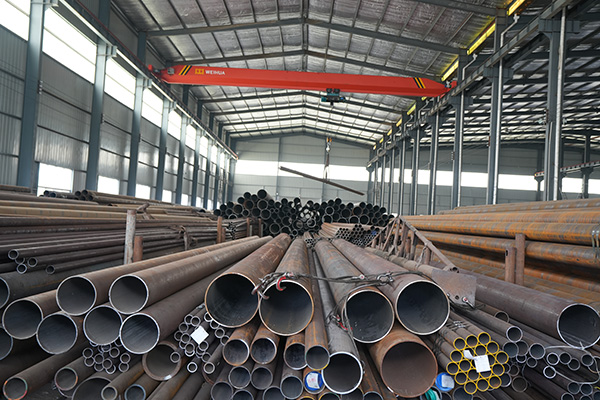
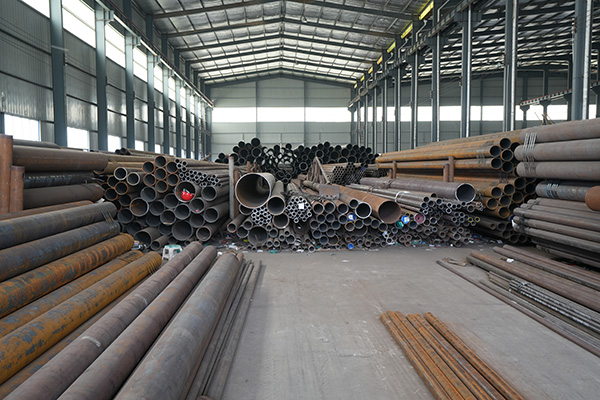
Understanding Why Material Grades Matter for High Pressure Steel Pipe
Unlike general-purpose piping, High Pressure Steel Pipe must withstand intense mechanical stress. Operating conditions often involve:
·Thermal cycling
·Abrasive or corrosive fluids
·Elevated internal pressures
·Long-duration continuous service
Because of these conditions, industry standards define strict requirements for chemical composition, tensile strength, impact resistance, and manufacturing processes. Choosing the wrong grade—whether for hot-service pipelines, low-temperature systems, or high-pressure boilers—can result in material failure, operational shutdowns, and unsafe working conditions.
ASTM A106: The Benchmark for High-Temperature Service
ASTM A106 is one of the most widely recognized seamless carbon steel standards for High Pressure Steel Pipe. Its key use is in high-temperature and high-pressure environments like power plants and refinery heater lines.
Key Properties
·Excellent resistance to high temperatures
·Strong mechanical performance under pressure
·Low impurity levels and strong weldability
·Available in Grades A, B, and C (B being most commonly used)
Its reliability makes ASTM A106 a global baseline for fluid and steam transport at elevated temperatures. When manufactured using precise Production lines and metallurgical controls, the pipes deliver consistent grain structure and long-term durability.
ASTM A335: Alloy Steel for Extreme Conditions
Where environments exceed the limits of carbon steel, ASTM A335 alloy steel grades come into play. These pipes are used in severe environments such as superheater tubes, petrochemical furnace lines, and high-temperature processing circuits.
Why A335 Stands Out
·Chromium-molybdenum alloying improves strength at high temperature
·Better resistance to oxidation and creep
·Ideal for continuous, long-term high-stress operations
Common grades include P11, P22, and P91, each tailored for specific temperature and performance needs. When produced correctly by a capable Manufacturer, A335 provides exceptional longevity even in ultra-high-pressure pipelines.
ASME SA333-6: A Critical Material for Low-Temperature Service
One of the most important low-temperature materials in piping design is ASME SA333-6. Although used under high pressure, its defining feature is its excellent impact toughness at sub-zero temperatures.
Key Characteristics of SA333-6
·Designed for low-temperature, high-pressure service
·Strong impact resistance at -45°C and below
·High ductility to prevent brittle fracture
·Used in LNG systems, refrigeration plants, cold-region pipelines
In environments where cold brittleness is a real risk, SA333-6 provides stability and safety—especially when manufactured under strict Production procedures, heat treatment accuracy, and mechanical testing.
How a Manufacturer’s Production Quality Shapes Pipe Performance
The reliability of High Pressure Steel Pipe is determined not only by standards like ASTM or ASME but by the Manufacturer’s Production discipline. Even the highest-grade alloy can fail if produced with inconsistent metallurgy or poor heat treatment.
A capable Manufacturer ensures:
1. Controlled chemical composition
Precise alloying, accurate carbon limits, and sulfur/phosphorus control greatly influence strength and weldability.
2. Advanced Production processes
·Uniform heating and rolling
·Controlled cooling rates
·Non-destructive testing
·Hydrostatic pressure testing
·Strict dimensional tolerances
3. Batch supply consistency
Stable batch supply means every pipe in a shipment adheres to the same mechanical standards, ensuring project stability and simplified quality assurance.
4. Traceability and documentation
Mill certificates, heat numbers, and mechanical test records provide transparent verification of compliance with appropriate standards.
Choosing the Right Material Grade for Your Application
Selecting the correct High Pressure Steel Pipe grade depends on operating conditions:
·High temperature?
ASTM A106 or ASTM A335 is preferred.
·Low-temperature system?
ASME SA333-6 is optimal due to its impact toughness.
·Variable temperature cycles?
Alloy grades with molybdenum and chromium improve longevity.
·Large industrial projects?
Choose a Manufacturer capable of batch supply to ensure uniformity.
For engineers, designers, and procurement teams, understanding the interplay between material grade, service conditions, and manufacturing quality leads to safer and more efficient piping systems.
Conclusion: Material Standards Ensure Safer High Pressure Steel Pipe Systems
The strength of any High Pressure Steel Pipe system relies on the synergy of correct material selection, adherence to global standards like ASTM A106, A335, and ASME SA333-6, and the Production discipline of the Manufacturer. When all three align—proper grade, correct specification, and reliable batch supply production—pipelines achieve unmatched performance and safety even in severe thermal and pressure environments.
References
GB/T 7714:Viswanathan R. Damage mechanisms and life assessment of high temperature components[M]. ASM international, 1989.
MLA:Viswanathan, Ramaswamy. Damage mechanisms and life assessment of high temperature components. ASM international, 1989.
APA:Viswanathan, R. (1989). Damage mechanisms and life assessment of high temperature components. ASM international.